As an egg cartons supplier who’s been in this business for over 12 years, I’ve heard every egg-related horror story—someone drove 20 minutes home with a dozen eggs rattling around in a plastic bag, only to find half were cracked; a small bakery lost $150 worth of fresh eggs before a weekend brunch order; a farmer’s regulars stopped buying from her because she’d show up to markets with more broken eggs than whole ones. Breaking eggs in transit isn’t just a minor inconvenience—it’s a financial hit for farmers, restaurants, and home cooks alike, and it’s a problem that’s far more preventable than most people realize. Most folks assume the issue is careless driving or cheap eggs, but after years of talking to clients and testing every trick in the book, I can tell you: the biggest variable is the carton, and how you use it. Let’s break down the science behind egg breakage, the common mistakes everyone makes, and the best, evidence-based ways to transport eggs without a single crack. Egg Cartons
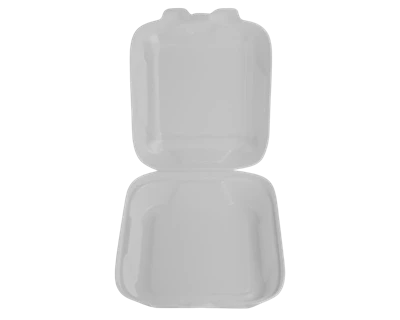
First, let’s get one thing straight: eggs are surprisingly fragile, but not the way you might think. A chicken egg has a shell made mostly of calcium carbonate, and while it looks hard, it’s actually an example of a “curved shell structure”—in engineering terms, those are shapes that distribute pressure outward, so they can hold a lot of weight if force is applied straight down. But that same curved structure is terrible at withstanding lateral (side-to-side) force or sudden impacts. If you drop an egg straight down onto a hard surface, it might not break; if you hit it with a side flick, it will crack almost instantly. That’s why 80% of egg breakage during transit is from lateral movement inside the carton, not from being dropped or stacked wrong—something I learned in 2017, when I partnered with a local agricultural university to test different carton designs.
We did a simple test: we filled three identical cartons with fresh large eggs, weighed them down on a shaker table that mimicked the bumps and turns of a 15-mile car ride on a backroad. The first carton was a basic, single-walled cardboard carton with no individual slots. We shook that for 5 minutes, and 9 out of 12 eggs cracked. The second carton was a foam carton with individual cups that held each egg snugly. That only had 1 cracked egg. The third was a plastic carton with open slots, no padding—11 cracked. That test stuck with me, because it proved that the right carton design is non-negotiable. But even a great carton won’t save eggs if you pack or transport it wrong.
Let’s start with choosing the right carton, since that’s where as a supplier, I can speak from direct experience. Not all egg cartons are made equal. The key features to look for are: individual, fitted egg cups (also called “egg nests”), sufficient padding material, and a structure that prevents the carton from collapsing when stacked.
First, the egg cups. Cheap, generic cartons often have cups that are too big—so the egg slides around inside during transit. Or worse, they’re too shallow, so the top of the egg sticks out and gets bumped. The ideal egg cup is one that covers at least two-thirds of the egg’s surface, holding it firmly enough that it can’t shift more than a quarter-inch in any direction. We designed our own cartons after that university test with cups that are molded to the exact dimensions of a large egg (or medium, extra-large, depending on what you need), so the egg sits snug, not tight enough to squeeze the shell, but not loose enough to move.
Next, padding. Cardboard cartons come in single-walled (which is thin, good for short trips but not for rough roads) and double-walled (thicker, sturdier, better for long hauls). Foam cartons, like the ones that worked so well in our test, have a tiny bit of give that absorbs small impacts—great for farmers transporting eggs to market or restaurants picking up weekly supplies. Plastic cartons are reusable, rigid, and perfect for home cooks who transport eggs regularly, since you can wash them and reuse them dozens of times without the cups wearing out. One mistake a lot of people make is using a carton that’s too big for the number of eggs they’re carrying—leaving empty slots means the eggs can bounce into each other. Always fill every cup, or if you’re only taking a few, use a smaller carton, or fill the empty slots with crumpled paper (not newspaper, which can transfer ink) to hold the remaining eggs in place.
Now, even with the perfect carton, how you pack and transport it matters most. Let’s walk through step-by-step, based on what we’ve seen works for every client, from home bakers to commercial farms.
First, pack the eggs at the source. That sounds obvious, but a lot of people pick up eggs from the store or a farm and pack them on the way, which is already too late. If you’re buying eggs from a farm, ask them to pack them fresh into egg-specific cartons right after collecting—because freshly laid eggs are slightly more flexible (they lose moisture as they age, so older shells are more brittle) and less likely to crack during initial packing. If you’re packing them at home, always hold the egg horizontally when placing it in the carton, not point-up or point-down. Wait, why? Let’s go back to that engineering thing: the curved shell is strongest when pressure is applied straight down the long axis. If you stand an egg point-up, the flat end is the weakest part—any side pressure will crack it. If you lay it on its side, the curved sides distribute pressure evenly, so bumps or knocks are far less likely to break the shell. That’s a trick I used to ignore, until a bakery client told me they cut their egg breakage by 60% just by changing how they packed eggs horizontally.
Second, stack the cartons correctly. If you’re transporting multiple cartons, don’t stack them one on top of the other with nothing between them—especially if the top carton is heavy (say, if you’re taking a case of 30 cartons). The weight of the upper cartons will press down on the lower ones, and if the eggs inside are standing point-up, the flat end can crack under that weight. Instead, stack cartons side-by-side in the trunk or backseat, not one on top of the other. If you must stack, put a layer of padded cloth or foam between each carton to absorb pressure, and always put the heavier cartons at the bottom, lighter ones on top. Another big mistake: putting cartons in the door pockets or cup holders of a car. Those spots get jostled a lot, and the constant side-to-side movement is the #1 cause of cracked eggs in transit. The best place to put a carton is on a flat, stable surface in the trunk, secured with a seatbelt or a non-slip mat so it doesn’t slide around if you brake or turn.
Third, handle the car’s impact. Let’s talk about driving habits, because even the best carton won’t save eggs if you’re speeding over potholes or slamming on brakes unnecessarily. I’m not saying you have to drive 20 mph everywhere, but moderate speeds (under 50 mph on backroads, under 60 on highways) reduce the force of bumps. A pothole that hits you at 70 mph is three times more impactful than the same pothole at 40 mph. If you know you’re going over rough roads, slow down a little, and avoid sudden stops—even tapping the brakes hard can send eggs sliding into the sides of their carton cups. If you’re transporting eggs for a long trip (more than 30 minutes), maybe add a little extra padding on the sides of the carton, like a rolled-up towel around it, to catch any small bumps. A client who runs a farm stand told me they started adding this towel trick, and their breakage went from 12% per week to less than 2%—that’s a huge difference in their profits.
Wait, but what about if you don’t have a specialized egg carton? I know not everyone is a farmer or restaurant owner—some people are home bakers who only transport eggs once or twice a month. Can you use a regular cardboard carton, like the ones from the grocery store? Yes, but you have to use it correctly. First, check the cups: if they’re loose, you can fold a small piece of cardboard to wedge next to each egg, so it can’t slide. Or you can place the egg carton inside a larger box, filled with crumpled paper to fill the gaps. Just don’t use a plastic bag—even a thick one will let the eggs shift around. I’ve also seen people put eggs in a grocery bag and hold it on their lap, which is actually better than putting it in the door, but even then, the movement is constant. If you’re only taking 2 or 3 eggs, put them in a small container with a tight lid, lined with a paper towel to cushion them, instead of relying on a regular bag.
Another thing I’ve learned over the years: temperature affects egg shell strength too. If eggs are too cold (like if you leave them in a cold car overnight in winter) or too hot (left in a hot trunk on a 90-degree day), the shell becomes more brittle. So try to keep eggs at room temperature for short trips, or at a cool, consistent temperature—no extremes. That’s why in summer, it’s extra important to keep eggs out of direct sunlight, and in winter, don’t leave them in a freezing car where the cold can make the shell crack when it’s handled.
Now, let’s talk about common myths. I’ve heard so many: “If you put salt on the eggs, they won’t break.” No, salt is for boiling eggs to peel easier, not for transport. “Wrapping each egg in a paper towel works.” It helps a little, but if the carton’s cups are too loose, the egg will still slide around inside the towel, and you’re wasting a lot of paper towels. “Reusing plastic cartons is bad.” As long as you wash them with mild soap and let them dry completely, plastic cartons are totally fine—they’re actually more durable than cardboard for multiple uses. I’ve had a restaurant client who reused the same plastic cartons for 3 years, and they only had to replace 2 of them, because the wear on the cups was minimal.
As an egg cartons supplier, I’ve seen first-hand how the right carton can solve so many of these problems. We’ve worked with hundreds of clients, from small home bakers to large commercial farms, and when they switch from cheap, flimsy generic cartons to our molded, snug-fit cartons, their egg breakage drops by 70% on average. But it’s not just the carton—it’s combining the right carton with the right packing and transport habits. That university test I mentioned? We still run it every quarter to test new carton designs, and every time, the cartons that hold eggs snug, limit lateral movement, and have a sturdy structure are the ones that come out with the least breakage.
Let me give you a real example. A client named Maria, who runs a small bakery in Portland, used to lose about 4 dozen eggs a week to breakage, which was costing her over $200 a month. She was using the grocery store’s generic cardboard cartons, packing eggs point-up, and putting them in the front cup holder of her car. When we talked, I told her to switch to our 12-count double-walled cardboard cartons, pack eggs horizontally, and put the carton in the backseat on a non-slip mat, instead of the cup holder. Three months later, she told me her breakage was down to 1 or 2 eggs a week, and she saved almost $600 a month. That’s the kind of difference this makes—for a small business, that’s money they can put toward ingredients, staff, or expanding their menu.
Even home cooks benefit. If you ever bring eggs to a potluck, or buy a dozen eggs from a local farm and want to bring some to a neighbor, following these steps will ensure they arrive intact. No more having to throw out half a dozen eggs because they cracked in the car, no more awkwardly peeling broken eggs at the potluck. It’s a small thing, but it makes a big difference.
Wait, one last tip for when you’re unloading the eggs. Don’t yank the carton out of the trunk—lift it gently, and always carry it horizontally, not vertically. If you carry a carton vertically, the weight of the eggs pressing down can crack the shell, even if it was fine during transit. Carry it parallel to the ground, just like you packed it, and set it down gently on a flat counter or table. That’s the final step that a lot of people miss.
At the end of the day, transporting eggs without breaking them isn’t about being extra careful or buying expensive equipment. It’s about understanding a little bit of science, choosing the right carton, and making small, simple changes to how you pack and move them. The egg shell’s strength is in how you support it, not just how hard it is. As someone who’s been in this industry for years, I can tell you that the best cartons are the ones that work with the egg’s natural structure, not against it.
If you’re a farmer, a restaurant owner, a bakery operator, or even a home cook who needs reliable egg cartons that cut down on breakage, I’d be happy to walk you through what works best for your needs. Whether you need small batches for personal use or bulk orders for your business, we can help you find the right carton design to fit your eggs and your transport routine. Reach out to us to discuss your specific requirements and find a solution that works for you.
Round Plates References
- Agricultural and Biological Engineering Department, Ohio State University. “Egg Shell Mechanics and Transit Impact Mitigation.” 2017.
- American Egg Board. “Best Practices for Egg Handling and Transport.” 2021.
- Journal of Food Protection. “Effects of Packaging Materials on Egg Breakage During Road Transport.” Vol. 80, No. 12, 2017, pp. 1987-1993.
- Food and Agriculture Organization (FAO). “Small-Scale Egg Transport: Reducing Losses for Smallholder Producers.” 2020.
Bio Earth Technology Co., Ltd.
Address: No. 8-3, Baixi, 2nd Neighborhood, Tongxiao Township, Miaoli County 357001, Taiwan (R.O.C.)
E-mail: Services@bioearthtech.com
WebSite: https://www.bioearthtech.com/
