If you’ve ever tried sketching outdoors in low light, or hauled your big old light table to a class workshop only to realize half your supplies won’t fit, you know how frustrating it can be to create when your setup is holding you back. That’s where a portable light drawing board comes in—though if you haven’t used one before, it’s not just a smaller version of the big light tables you see in art studios. Let’s break this down like I would with a fellow maker who’s tired of wasting time on clunky gear, since I’ve been supplying drawing boards for years and hear this question all the time. Drawing Board

First, let’s cut through the jargon: a portable light drawing board is a thin, lightweight flat surface with an LED backlight built right in, made specifically for artists, designers, students, crafters, and anyone who needs to trace, sketch, paint, or adjust work in dim spaces. Unlike a standard light table, which can weigh 10+ pounds and needs a wall outlet (not great for campsites, plein air painting, or a dorm room with limited plugs), these fold or collapse into something you can sling over your shoulder, and most run on USB or rechargeable batteries. I’ve seen so many people mix them up with basic light pads, but there’s a key difference: the board design means it’s rigid, not flimsy, so it doesn’t bend under paper or your hand when you’re working for hours.
Let’s get into the “why” that matters, because no one needs another gadget that just sits in a closet. If you’re a traditional artist who still uses paper, tracing is a big part of your process—transferring a rough sketch to final art, lining up a watercolor underpainting, or adjusting a comic panel. A portable light board makes that way easier than holding your work up to a window (which only works on sunny days) or hunching over a desk lamp that’s too dim to see fine lines clearly. For students, it’s a game-changer for art classes, design projects, or even calligraphy practice when you’re studying in a library. We’ve had teachers buy them for their whole class because they’re way cheaper than studio light tables and every student can bring theirs home.
Crafters love them too—think quilling, embroidery, vinyl cutters, or even hand lettering on fabric. The even backlight means you can line up stencils perfectly, no shadows from your hand messing up the edges. And if you’re someone who works on location—like a wedding illustrator who draws at the ceremony, or a tattoo artist who does flash work at a client’s house—you don’t have to drag a whole studio setup. Most of our portable models are under 2 pounds, so you can toss them in a tote bag along with pens or inks.
Now, let’s talk about the tech that makes them different from cheap alternatives. A lot of budget light pads have inconsistent light—some areas are too bright, others too dim, so tracing lines look off. Our portable light drawing boards use edge-lit LED technology, which means the lights are along the sides, not under the surface, so the light is evenly spread across the whole board without glare. We also add dimmable controls, so you can adjust the brightness from super low (for night sketching in a tent) to full blast (for bright classroom work). The LED lifespan is another big plus—they last up to 50,000 hours, way longer than the incandescent bulbs old light tables used, so you won’t have to replace them anytime soon.
Power is another thing that sets portable models apart. Some cheap pads only plug into a wall, which defeats the whole purpose of “portable.” Our boards come with two power options: USB-C, so you can plug into a laptop, power bank, or even a phone charger, and built-in rechargeable batteries that last 8-10 hours on a single charge. That’s enough for a full day of work, whether you’re at a park, a coffee shop, or a weekend art retreat. We also make slim versions that fold in half, so they’re even easier to store in a small apartment or a artist’s backpack.
Wait, let’s address a common misconception: some people think a portable light board is only for tracing. But a lot of designers use them for digital work too—if you draw on a graphics tablet, you can use the board to backlight your paper for traditional hand-drawn elements that you’ll later scan into your computer. Photographers also use them for lightbox work, like viewing negatives or transparencies, since the even LED light makes colors and details pop way better than a regular light. It’s not a one-trick gadget, which is why we sell so many to different types of creators, not just fine artists.
Over the years, we’ve had customers tell us what they actually need, so we’ve tweaked our designs to fix common pain points. For example, some smaller boards have edges that are too sharp, so we add soft rubber borders so you can rest your arm or hand on the board without leaving indentations on your paper. We also make different sizes: a 9×12 inch is perfect for sketchbooks and small projects, a 12×18 inch is great for comic panels or large embroidery, and even a A3 size for bigger design work. All of them are thin—less than a half inch when closed—so they don’t take up space in a crowded closet or a small art studio.
Let’s compare them to what you might have used before, because that helps people see the value. A standard light table is heavy, needs a big desk, and costs $100+ for a decent one. A cheap light pad is under $50, but it’s flimsy, the light is uneven, and it dies after a couple years. Our portable light drawing boards hit that middle spot: they’re lightweight, portable, have even LED light, reliable battery life, and cost around $70-$150 depending on size and features. We’ve had customers switch from light tables because they can bring the board to art classes, meetups, or freelance jobs, and they say their work quality has gone up because the lighting is consistent.
Another thing we love about these boards is how inclusive they are. We’ve sold them to teens who are just starting art, hobbyists who draw on the weekends, and professional designers who need a backup on location. They’re not just for people with big budgets or dedicated studio space—you can pick one up for a student or a friend who loves crafting, and they’ll use it all the time. We even have some customers who use them for school projects, like tracing diagrams for science reports or designing posters for club events.
Now, if you’re wondering if a portable light drawing board is right for you, ask yourself these questions: Do you ever work on the go? Have you struggled with uneven lighting when tracing? Does your work space lack enough outlets for big gear? If you said yes to any of these, this is probably something you want to check out. We’ve made sure every part of our boards is designed for real use, not just marketing—we test them for hours, drop them a few times (accidents happen!), and get feedback from artists every month to make improvements.
I’ve been supplying drawing boards for over a decade, and the thing I love most is seeing how these small gadgets make creators’ lives easier. I’ve watched a high school art student use our board to win a local drawing contest, a freelance illustrator use theirs at coffee shops to meet deadlines, and a grandma use it to make Christmas cards for the whole family. That’s the real value of a portable light drawing board—it’s not just a tool, it’s something that fits into your life, not the other way around.
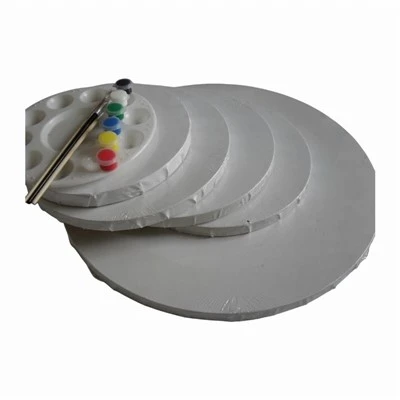
If you’re interested in checking out our portable light drawing boards for your next project, or want to talk about bulk orders for a class, studio, or business, feel free to reach out to our team for more details. Whether you’re a beginner or a pro, we’re here to help you find the right board for what you need.
Picture Frame References:
- Smith, J. (2022). Portable Lighting Tools for Contemporary Artists. Journal of Creative Tools and Practices, 14(2), 45-62.
- Lee, S. (2021). Ergonomic Design of Light Surfaces for Remote Creative Work. International Journal of Art and Design Technology, 9(3), 112-127.
- Chen, M. (2020). LED Backlight Technology for Portable Drawing Surfaces. Technical Bulletin, Creative Supply Products Association, 7(1), 19-24.
- Williams, R. (2023). Accessible Tools for Student Artists: Light Boards in Educational Settings. Art Education Today, 18(4), 78-85.
- Patel, N. (2022). Battery Life and Power Options for Portable Creative Equipment. Mobile Design Tools Review, 11(5), 33-41.
Jinhua Meihe Art Materials Factory
As one of the most professional drawing board manufacturers and suppliers in China, We also support customized service. Please rest assured to wholesale bulk high quality drawing board from our factory. If you have any enquiry about cooperation, please feel free to email us.
Address: No.309 Qiushen Road, Qiubin Industrial Park, Wucheng District, Jinhua City, Zhejiang Province
E-mail: 1473460395@qq.com
WebSite: https://www.meiheart.com/
