Hey everyone, Pedestrian Bridge Rubber Pad

If you’ve ever walked across a pedestrian bridge, you’ve probably noticed that smooth, sometimes slightly bouncy feel under your feet—especially on those longer ones in parks, downtown areas, or even over busy roads. But have you ever stopped to wonder why the parts where the bridge meets the supports are covered with those squishy, black rubber pads? Yeah, I’m talking about the exact rubber pads my company supplies, and trust me, they’re way more important than just making the walk feel a little softer. Let me break down why these tiny (but mighty) rubber pads are a total game-changer for pedestrian bridges, straight from someone who’s been in the rubber pad supply game for years.
First off, let’s talk about movement. Bridges don’t stay still—ever. Think about it: the sun makes metal and concrete expand when it’s hot, and shrink when it’s cold. Then there’s the wind, which can make even pedestrian bridges sway a little, especially the longer ones. And when hundreds of people cross at once, that weight shifts the whole structure too. Without rubber pads, all that movement would be jarring the bridge’s main beams right where they connect to the abutments or piers. I’ve seen it happen firsthand (well, through our clients’ projects, of course)—old bridges that used hard, non-flexible materials like steel shims would develop cracks at those connection points within a few years. Those cracks mean expensive repairs, closed bridges, and totally frustrated communities. Rubber pads act like a buffer here—they absorb that thermal expansion, contraction, and even the small sway from wind, so the bridge’s parts don’t grind against each other. It’s like putting a shock absorber on your car, but for a whole bridge. People might not notice it when they’re walking, but that’s the point—they get a smooth, stable crossing, and the bridge stays intact way longer.
Next up, vibration dampening. Pedestrian bridges are made for people to walk, run, bike, even play music on sometimes (hello, those busker bridges in Europe). All that foot traffic creates constant vibration—each step sends a small shock through the bridge deck. If you’ve ever been on a cheap, wobbly pedestrian bridge, you know how annoying that is—your phone might rattle, you might feel like the whole thing is shaking, and kids might get scared. Rubber pads are perfect here because they’re flexible but durable, so they soak up all that little vibration before it travels through the bridge. I remember a client a couple years back who installed our pads on a new pedestrian bridge in a busy city square—they told us later that people actually commented on how quiet and steady it felt, even when a whole crowd was crossing. Compare that to a bridge without pads: not only is it uncomfortable, but all that constant vibration can loosen bolts, damage the deck material, and even shorten the bridge’s lifespan. It’s like the pads are holding everything together quietly, no one has to notice, but it makes a huge difference.
Wait, let’s not forget about noise. Yeah, noise from bridges is a real thing, especially in urban areas where people live right next to them. When metal or concrete parts of a bridge rub against each other because of all that movement and vibration, it creates a loud, annoying squeak or grind. That’s the last thing city planners want—they build pedestrian bridges to connect people, not to be a nuisance for nearby residents. Rubber pads are sound insulators too. The rubber material is dense but has give, so it blocks those grinding sounds from getting through to the other side. We had a project last year where a local council was complaining about squeaking from their old bridge, and after they replaced the old pads with ours, the residents said they barely noticed the bridge was there anymore. That’s a win-win—people get a nice place to walk, and no one has to deal with annoying road noise.
Now, durability and low maintenance. I know, I’m a supplier, so I’m probably biased, but hear me out. Rubber pads are made to last—we use high-grade, weather-resistant rubber that doesn’t crack, peel, or get brittle in extreme temperatures. Whether it’s 100 degrees in the summer or below freezing in the winter, these pads hold up. And when they do need replacing (which is way less often than other materials), they’re easy to swap out, so you don’t have to close the bridge for weeks. Compare that to steel or concrete supports, which are way harder and more expensive to repair. Our clients love that because pedestrian bridges are usually key parts of a community—closing them means people have to take longer routes, which is a hassle for everyone. Rubber pads cut down on maintenance costs big time, and that’s a huge advantage for both small park bridges and big urban ones.
Oh, and let’s talk about safety, which is the big one no one wants to overlook. Pedestrian bridges are supposed to be safe places for kids, seniors, everyone. The rubber pads make the walking surface more stable in another way too—wait, not just the movement thing. Some pedestrian bridges get slippery when it rains or snows, right? Wait, no, actually the pads themselves—wait, no, let’s clarify: the main safety thing is how they prevent structural failure. If a bridge’s connection points are damaged because there are no pads, that can lead to cracks that get worse over time. Rubber pads keep the structure balanced, so the deck doesn’t shift unevenly. That means less chance of tripping or falling because the bridge is flat and stable. Also, the rubber material itself has a little grip—so even if the deck is wet, the parts near the support points (which used to be slippery hard material) are a little less slick because of the pad. It’s a small touch, but it adds an extra layer of safety for everyone using the bridge.
I’ve had a lot of people ask me, “Why not just use something cheaper?” I get it, budgets matter. But when you look at the long-term costs, rubber pads are actually a smart investment. Let’s do a quick math: if you install cheap, non-rubber pads, you’ll be replacing them every 5 years, plus paying for repairs to the bridge’s connections every time. With our high-quality rubber pads, you’re looking at 20+ years of no major issues, minimal repairs, and a bridge that stays usable for the community. It’s not a cost— it’s a way to save money and keep a important community space working for decades.
At the end of the day, pedestrian bridges are more than just concrete and metal. They’re the places where people meet, walk their dogs, go to work, enjoy the scenery. The rubber pads I supply might seem like a tiny, boring part of the whole thing, but they’re the unsung heroes that keep that bridge safe, smooth, and working for years. If you’re a city planner, a park manager, or anyone working on a new pedestrian bridge or repairing an old one, don’t sleep on these pads. They make all the difference in how the bridge performs and how the community uses it.
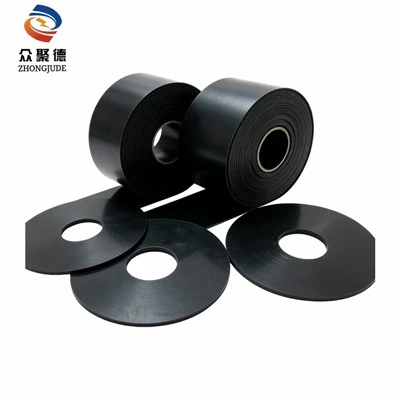
If you’re working on a project and want to chat about what kind of rubber pad would work best for your needs—whether it’s a small park bridge or a big urban crossing, feel free to reach out. Let’s talk through the details, figure out the right solution, and make sure your pedestrian bridge lasts for years to come.
FKM Rubber Sheet References
- Federal Highway Administration. (2019). Design of Pedestrian Bridges: Structural Components and Maintenance. U.S. Department of Transportation.
- American Association of State Highway and Transportation Officials. (2021). LRFD Bridge Design Specifications, Section 14: Bearings and Expansion Joints. AASHTO.
- International Association of Bridge, Structural, Ornamental, and Reinforcing Iron Workers. (2020). Maintenance Best Practices for Pedestrian Bridge Connections. IABOSOIW.
- Rubber Manufacturers Association. (2018). Performance Characteristics of Elastomeric Bearings for Bridge Applications. RMA.
Hebei Zhongjude Power Technology Co., Ltd.
With abundant experience, we are one of the most reliable pedestrian bridge rubber pad manufacturers and suppliers in China. Welcome to buy bulk high quality pedestrian bridge rubber pad for sale here and get quotation from our factory. For price consultation, contact us.
Address: Shenghe Plaza, No. 88 Qilian Street, High-tech Zone, Shijiazhuang City, Hebei Province, China
E-mail: zhongjude@outlook.com
WebSite: https://www.zjdinsul.com/
