If you’ve ever walked through a grocery store snack aisle, filled a box with craft supplies, or loaded pet food into small, portable bags, there’s a good chance a small bagging machine handled the final step. As a supplier of these compact workhorses, I’ve seen first-hand how much they simplify packaging—whether for a startup small-batch coffee roaster or a community craft business. But while these machines are designed for ease of use, they’re not without risks. Over the past seven years in this role, I’ve fielded more safety questions than I can count, from new operators worrying about moving parts to long-time users who’ve picked up small avoidable injuries. Today, I’m sharing the real, practical safety measures I swear by, not just as a supplier but as someone who’s worked side-by-side with operators, troubleshooting issues and watching what works (and what doesn’t). Let’s get into it. Small Bagging Machine
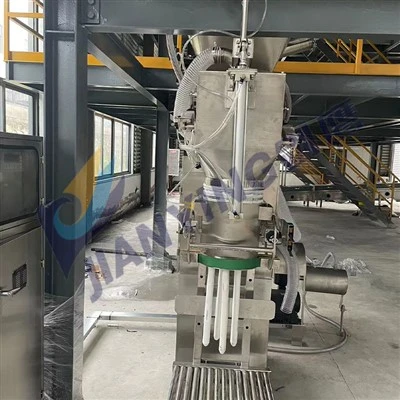
First, start with the non-negotiable basics: personal protective equipment, or PPE, tailored to small bagging machines. I know what you’re thinking—small machines = low risk, right? Not always. I once had an operator skip gloves because the machine was “too tiny” and ended up with a small cut from a sharp bagging nozzle edge that wasn’t obvious until after they finished their run. Here’s the rule: every operator needs cut-resistant gloves, no exceptions. The nozzles, bag-sealing elements, and even the small adjustment levers can have burrs from manufacturing or wear over time that catch fabric or skin quickly. I always include a pair of replacement cut-resistant gloves with every machine I sell, but I’ve also had customers tell me their team would swap in regular cotton gloves, which are basically useless here. If you’re using thin cotton, you’re asking for a snag that pulls your finger into a moving part. Next, closed-toe shoes. Small machines sit low to the ground, and it’s easy to drop a roll of plastic bags or a bag of fill material on your foot. I’ve seen a couple of operators with stubbed toes or sprains from rushing to grab a fallen roll, and even a crushed toenail when a 25-pound bag of rice slipped off a pallet next to the machine. Finally, safety glasses. Bagging machines generate tiny particles—coffee grounds, rice dust, craft glitter—that can blow into your eyes if the machine’s vent system gets clogged. Even a small speck in your eye can halt your entire production line, and I’ve had customers report minor corneal scratches that required urgent care because they skipped glasses. These aren’t just random rules; they’re the same ones OSHA recommends for small packaging equipment, and I make a point to mention them in every onboarding call before a customer even unboxes their machine.
Next, lockout/tagout (LOTO) procedures. This is probably the most overlooked safety step when it comes to small bagging machines, mostly because people think “small” means “not dangerous.” But here’s the truth: even a machine that runs on 110-volt household current can cycle unexpectedly. I once worked with a small-batch granola company where a new operator was clearing a jam in the filling chute while the machine was still powered on. The machine reset mid-jam, and the filling arm moved, pinching their finger between the chute and the machine frame. The fix for this? Simple LOTO protocols. Every machine should have a clearly marked power switch (not just a regular wall outlet plug) that’s easy to reach, and a lockout tag that you can attach to the switch when you’re servicing or clearing a jam. The rule is: if your hands are inside the machine or within 6 inches of any moving part, that power switch must be locked off, and you’re the only one with the key. No exceptions. I include a LOTO lock with every machine I sell, and I actually require customers to watch a 15-minute LOTO training video I created before their first machine is delivered. It’s not just a box to check—it’s a habit that’s saved operators from way more serious injuries than a pinched finger. Also, make sure the machine is unplugged (or locked off) when changing bag rolls, adjusting the sealing bar, or cleaning the filling nozzle. I’ve seen operators reach for a new roll with one hand on the power button, and if the machine accidentally triggers a cycle while they’re loading, the bag gets pulled in and can yank your hand along with it. Taking two extra seconds to lock out the power is never a waste of time.
Then, machine setup and daily pre-use checks. A lot of safety issues start before you even turn the machine on. When I deliver a machine, I walk customers through the setup, and the first thing I tell them is: don’t skip the alignment check. Small bagging machines rely on precise alignment between the film roll, the sealing bar, and the filling nozzle. If the film is off-kilter, it can wrinkle and catch on moving parts, leading to torn bags or even the machine jamming hard enough to throw a small metal component. One customer last year didn’t align the film properly, and the end seal on their snack bags failed mid-run, spilling 50 pounds of trail mix all over their production floor. More importantly, the misaligned film got caught in the drive gear, and when they tried to pull it free while the machine was on, the gear pulled their sweater sleeve into the mechanism. No major injury, but a scare that could have been avoided with a 2-minute pre-run check. I’ve created a simple pre-use checklist that all my customers get: check for loose bolts (the vibration from running can loosen small bolts on the base or the sealing bar), inspect the power cord for frays or damage (especially if the machine is on a hard floor where cords can get pinched), and test the emergency stop button before every use. That button is there for a reason—don’t press it only in an emergency. Once a day, test it to make sure it cuts power immediately. I also tell customers to keep the machine on a flat, stable surface. If it’s wobbly on a uneven workbench, it can tip over if you lean on it, or the filling process can throw the machine off balance, leading to spills or jams. A lot of small business owners use whatever workbench they have in their garage or small facility, but I recommend a 2×4 or a rubber mat under the machine to keep it stable if the floor is even slightly uneven.
Now, operating best practices for day-to-day use. Even with the right setup, how you use the machine makes a huge difference. First, never overfill the bags. Small bagging machines have a maximum fill capacity printed on the machine frame, and I see customers ignoring that all the time. When you stuff a bag beyond its limit, it puts extra stress on the sealing bar and the film rollers, which can lead to a seal breaking mid-bag, or the bag tearing open during the packaging process. Worse, overfilling can make the bag too heavy to feed through the machine, leading to it getting stuck, and if you try to yank it free, you can pull your hand into the moving parts. I once had a customer who was filling 4-ounce bags of nuts at 5 ounces each—they thought it would save money, but after three seal failures and a near injury, they adjusted their fill weight to the machine’s limit. Another key rule: keep loose clothing, jewelry, and long hair tied back. It sounds obvious, but I’ve seen operators with long hair not tied back get their hair caught in the film rollers, and one worker with a loose bracelet had it wrapped around a drive gear, pulling their wrist toward the machine. Even a small bracelet or a scarf can cause a serious injury. I always remind customers to have a “no loose items” rule for anyone operating the machine, and to keep their work area free of clutter—no extra bags, tools, or debris within 12 inches of the machine. Clutter around the machine makes it hard to react if something goes wrong, and it’s easy to trip over a roll of bags while the machine is running. Finally, don’t leave the machine unattended while it’s running. It’s tempting to step away to grab a roll of bags or answer a quick email, but if a jam happens or a seal breaks while you’re gone, you might not be able to shut it down fast enough. I tell all my customers: the machine is only safe when someone is actively monitoring it. If you have to step away for even a minute, hit the emergency stop, lock out the power, and come back later.
What about maintenance and long-term safety? This is where a lot of users fall short, thinking that “small machines don’t need much maintenance.” But regular maintenance prevents most long-term safety risks. First, clean the machine after every use, or at least at the end of each day. Filling material—whether it’s flour, coffee, or plastic pellets—can build up in the filling chute and around the sealing bar. That buildup can attract pests, but more importantly, it can block the fill, leading to the machine overheating, or create a jam when the material hardens. I’ve had a machine that wasn’t cleaned regularly seize up mid-run, and when a customer tried to free the jam, the sealing bar moved unexpectedly, cutting their glove. Cleanup is simple: unplug the machine, wipe down the chute and sealing bar with a damp cloth (not a wet one—you don’t want to get electrical parts wet), and blow out any dust or particles with a small air compressor. Second, replace worn parts as soon as they show signs of damage. The film rollers, sealing bar pads, and drive belts all wear out over time, and using a worn part can cause jams, uneven sealing, or the machine to run erratically. I always tell customers to keep a small stock of replacement parts on hand—sealing pads, drive belts, and a extra set of nozzles—so they don’t have to wait for a part to break mid-run. Third, schedule a professional inspection once a year. Even if you’re doing regular checks, a technician can spot small issues like loose internal wires or worn gears that you might miss. As a supplier, I offer annual maintenance checks for all my customers, and I’ve had multiple tell me that the inspection caught a frayed power cord before it caused a shock.

Now, the stuff that’s specific to small bagging machines that I don’t see talked about much. These machines are often used in tight spaces—like a small kitchen for baking supplies or a craft room with limited counter space—so it’s easy to position them too close to walls or other equipment. But if the machine’s vent (for cooling the seal) is blocked, the machine can overheat, which not only damages the machine but can be a fire hazard. I always recommend leaving at least 6 inches of space around the back and sides of the machine for ventilation. Another thing: bag material matters. If you’re using a thin, low-quality film, it’s more likely to tear or catch on parts, so I suggest investing in the right film for your machine. Using the wrong type of film (like a heavy-duty film made for larger machines) can also put extra stress on the machine’s rollers, leading to wear and tear that causes jams. I help customers choose the right film for their machine all the time, and it’s one of the most common questions I get.
Net Weighing Bagger At the end of the day, safety with small bagging machines is about building habits, not just following rules. I’ve been in this industry long enough to know that most injuries are avoidable—they come from skipping a lockout step, wearing the wrong gloves, or rushing through a pre-use check. As a supplier, my job isn’t just to sell you a machine; it’s to make sure you and your team use it safely and effectively. If you’re setting up a new machine, or if your current setup feels a little off and you want to make sure you’re following all the right safety steps, reach out to connect for a quick chat. We can walk through your space, your machine, and answer any questions you have, no pressure—just real advice from someone who’s been there.
References
- Occupational Safety and Health Administration. (2022). "Safety Guidelines for Packaging and Packaging Machinery Operations." U.S. Department of Labor.
- International Society of Automation. (2021). "Lockout/Tagout Best Practices for Small Industrial Machinery." ISA Standards and Practices.
- National Restaurant Association. (2020). "Food Packaging Safety for Small Commercial Packaging Equipment." Restaurant Industry Safety Manual.
- Packaging Machinery Association. (2023). "Maintenance and Safety Protocols for Compact Bagging Systems." PMA Technical Bulletin.
Wuxi Jianying Intelligent Equipment Co., Ltd.
We are one of the most professional small bagging machine manufacturers and suppliers in China, featured by quality products and good price. Please rest assured to buy durable small bagging machine for sale here from our factory. Welcome to contact us for custom service and OEM service.
Address: No.88, Xinyang Road, Ehu Town, Xishan District, Wuxi City, Jiangsu Province, P.R.China
E-mail: wuxijianying@163.com
WebSite: https://www.wuxijianying.com/
