How to handle emergency situations with forged steel valves?
If you’ve ever been on a plant floor when a valve starts acting up, you know there’s no time for guesswork. As a forged steel valve supplier with 12 years in the game, I’ve seen my share of emergencies – from a stuck gate valve mid-line to a leaking globe valve that threatened production. Forged steel valves are built to last, designed for high-pressure, high-temperature applications in oil and gas, chemical processing, power generation, and water treatment, but even the strongest components can fail when pushed beyond their limits or when basic maintenance slips. The key to managing these situations isn’t just about reacting fast – it’s about knowing your valve, having a clear plan, and avoiding mistakes that can turn a small issue into a catastrophic shutdown. Forged Steel Valves
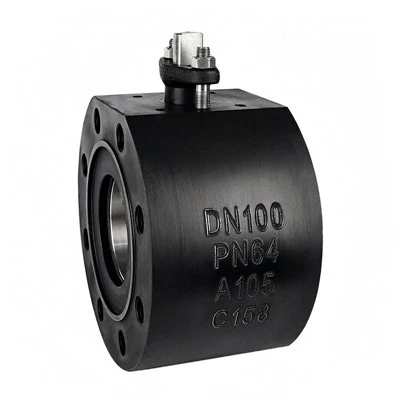
Let’s start with the most common emergency I get called in to help with: sudden leakage. Last year, a mid-sized petrochemical plant in the Midwest hit me up at 2 a.m. Their 8-inch forged steel gate valve on a crude oil line was weeping through the stem, and the pressure was creeping up faster than their maintenance team could respond. When I got on-site, the first thing we did wasn’t grab a wrench – we assessed the risk. Forged steel is incredibly durable, but it doesn’t like sudden temperature swings, and crude oil is flammable, so the last thing we wanted was to over-tighten the stem packing and cause a shear failure. I’ve learned over the years that many plant techs default to cranking packing glands when they see a leak, but that’s a rookie move. Too much pressure on the packing can wear out the stem or crack the valve body, especially on older valves that have already seen decades of cycles. The right move here: first, isolate the valve if it’s safe to do so. If it’s on a live line, keep the stem packing adjustment gentle – a quarter turn of the gland nut at a time, testing the leak after each – and never tighten it so much that the valve becomes impossible to operate. If isolation isn’t an option, use a temporary sealant made for forged steel valve stems (not just any pipe dope) to slow the leak while you line up a replacement or a repair technician. In that 2 a.m. case, we adjusted the packing slightly, secured a new stem repair kit from my warehouse, and got the line back up and running in under four hours – no shutdown, no lost product.
Another emergency I’ve handled dozens of times is a stuck valve. Stuck forged steel valves usually happen when process debris builds up in the body or when corrosion fuses the disc to the seat. Last quarter, a power plant called because their main feedwater check valve (a forged steel component, since feedwater lines run at 2,500 psi) wouldn’t open during a turbine start-up. Their team had been hammering the valve stem for an hour, and the noise was getting so bad they were worried the body would crack. Here’s the mistake they were making: hammering can cause micro-fractures in the forged steel’s grain structure, which weakens the valve over time and can lead to a sudden failure later. Instead, I recommended a different approach for stuck valves: first, apply penetrating oil designed for high-pressure industrial components (not generic WD-40, which evaporates too fast) to the stem and bonnet, and let it sit for 30 minutes. Then, use a rubber mallet to tap gently around the valve body’s flange – the vibrations can loosen debris without damaging the steel. If that doesn’t work, don’t force it. Forged steel valves have torque ratings for a reason; exceeding them can bend the stem or warp the seat, which is way more expensive to fix than taking the line down for a controlled removal. In that power plant case, the penetrating oil worked, we tapped the flange, and the valve opened without a scratch. I later helped them upgrade their pre-start inspection process to catch debris buildup before it caused a stuck valve.
High-temperature failures are the scariest type of emergency with forged steel valves, because these valves are used in applications where temperatures can hit 1,000°F or higher. I worked with a steel mill two years ago where a forged steel globe valve on a furnace gas line started leaking through the body, and the surrounding insulation was starting to smoke. Forged steel is great for high heat, but it has a low tolerance for rapid cooling – if you spray water on a hot valve to stop a leak, the sudden temperature drop can cause thermal shock, which cracks the body. That’s a critical rule I drill into every customer: never use water to put out a valve-related fire or cool a hot valve. Instead, keep the area clear of flammables, and call a certified industrial valve technician immediately. We had to isolate the valve, bring in a custom replacement forged steel globe valve (since their line size was non-standard), and do the swap during a scheduled maintenance window – not a last-minute emergency, which is always the better move, but when it does happen, your safety depends on not making that thermal shock mistake.
Now, the biggest mistake I see plants making with forged steel valve emergencies is not being prepared before something goes wrong. Forged steel valves are built to perform, but their lifespan depends on regular inspections, and having the right parts on hand makes all the difference when an emergency hits. A few years back, a chemical plant in Texas had a valve failure that turned into a 12-hour shutdown because they didn’t have a spare seat ring for their 10-inch forged steel ball valve – the only replacement was a generic part that didn’t fit, so they had to wait three days for a custom order. Here’s the thing about forged steel valves: every brand has specific parts, and using the wrong part can lead to leaks or failures. My recommendation to all my customers is to keep a stock of critical spare parts for the valves on their most high-risk lines: packing glands, seat rings, stem repair kits, and gaskets. Also, get a copy of the valve’s spec sheet before an emergency – it has the torque ratings, material grade, and maintenance history that you’ll need if something goes wrong. I always send a digital copy of every valve’s spec sheet to my customers within 24 hours of delivery, and I keep a hard copy on file for any of my clients who need it, because I know how hard it is to track that info when you’re in a panic at 2 a.m.
What about when you’re on-site and you’re not sure what kind of forged steel valve you’re dealing with? I’ve seen techs grab the wrong tool for a valve just because it looks similar to one they worked on before. Forged steel valves come in different types – gate, globe, ball, check – and each needs a different approach to emergency repairs. A gate valve, for example, is designed to be fully open or fully closed, so adjusting it mid-flow is risky, while a globe valve is meant for throttling, so small adjustments are more acceptable. If you don’t know what type of valve you’re working with, don’t touch it. Call a supplier or a certified technician who knows forged steel valves – we can help you identify it over the phone, and if we’re local, we’ll get there fast. I’ve had customers try to repair a forged steel check valve like a gate valve, which caused the disc to break and the line to completely lose pressure – a mistake that could have cost them hundreds of thousands of dollars in product.
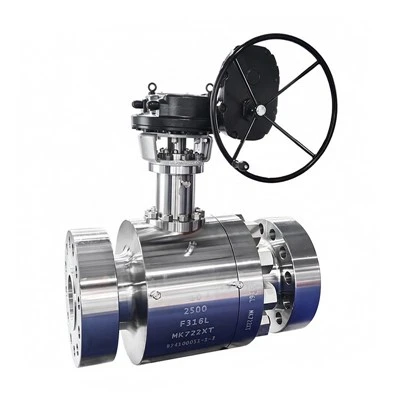
One last thing: after any emergency with a forged steel valve, don’t just fix it and move on. Forged steel is strong, but even minor damage from an emergency can create weak points that will lead to future failures. After that 2 a.m. gate valve leak I handled last year, I went back a week later to do a full inspection of the valve – checked the stem for micro-fractures, tested the pressure rating of the line, and made sure the packing was holding properly. I also helped the plant set up a monthly inspection schedule for their high-risk valves, because catching small issues before they turn into emergencies is way cheaper than fixing a failure. Too many plants treat valve emergencies as one-off events, but in my experience, most of them are avoidable with the right prep and knowledge.
Ball Valve At the end of the day, forged steel valves are among the most reliable components in industrial systems, but like any piece of equipment, they need respect. When an emergency hits, the worst thing you can do is rush, guess, or use a one-size-fits-all approach. Take the time to assess the risk, follow the rules for your specific valve, and have a plan in place before something goes wrong. If you’re dealing with forged steel valves and don’t have a clear emergency protocol, or if you need spare parts, expert advice, or custom replacements for your line, reach out to our team to discuss your needs. We’ve supported industrial facilities across the country for years, and we’re here to help you keep your operations safe and running, even when things go off track.
References
- American Water Works Association. (2020). Forged Steel Valves for Industrial Service: Maintenance and Emergency Response. AWWA Press.
- API 6D. (2019). Specification for Pipeline Valves. American Petroleum Institute.
- National Fire Protection Association. (2021). NFPA 70E: Standard for Electrical Safety in the Workplace, Annex F: Industrial Valve Emergency Procedures. NFPA.
- Manufacturing Plant Maintenance Association. (2022). Proactive Valve Management to Reduce Unplanned Downtime. MPMA White Paper.
Zhejiang Chenxiang Valve Co., Ltd.
We are one of the most professional forged steel valves manufacturers and suppliers in China, also support customized service. We warmly welcome you to wholesale high quality forged steel valves in stock here from our factory. If you have any enquiry about quotation, please feel free to email us.
Address: No. 126 Zhongxing Road, Wenzhou Industrial Park, Longwan District, Wenzhou City, Zhejiang Province
E-mail: vip@chenxiangvalve.com
WebSite: https://www.cxindustrialvalve.com/
