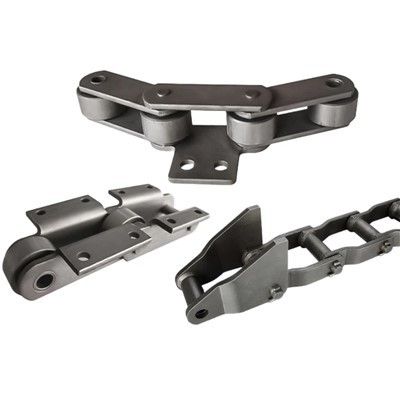
The surface finish of mechanical parts is a critical aspect that often goes unnoticed but plays a significant role in the overall performance, functionality, and durability of these components. As a supplier of mechanical parts, I’ve witnessed firsthand how surface finish can impact various industries and applications. In this blog, I’ll delve into the significance of surface finish on mechanical parts and why it matters to our customers. Mechanical Parts
1. Impact on Functionality
The surface finish of a mechanical part can directly affect its functionality. A smooth surface finish reduces friction between moving parts, which is crucial in applications where parts slide or rotate against each other. For example, in an engine, the pistons need to move smoothly within the cylinders. A rough surface finish can cause increased friction, leading to higher energy consumption, more wear and tear, and potentially reduced engine efficiency.
In precision machinery, such as CNC machines, the surface finish of the cutting tools and workpieces is vital. A high – quality surface finish on the cutting tool ensures a cleaner cut, better dimensional accuracy, and less material waste. On the workpiece, a good surface finish can improve the fit and assembly of components, ensuring that the final product functions as intended.
2. Influence on Durability
Surface finish also has a profound impact on the durability of mechanical parts. A smooth surface is less prone to corrosion and wear. When a part has a rough surface, it provides more sites for corrosion to start. Moisture and contaminants can accumulate in the microscopic valleys of a rough surface, leading to rust and degradation over time.
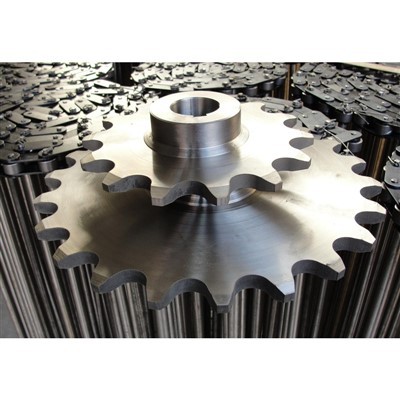
In addition, wear resistance is improved with a proper surface finish. For instance, in gears, a smooth surface finish reduces the contact stress between the teeth, minimizing the risk of pitting and scoring. This extends the service life of the gears and reduces the need for frequent replacements, which can be costly and time – consuming.
3. Aesthetic and Branding Considerations
Beyond functionality and durability, the surface finish of mechanical parts can also have aesthetic and branding implications. In consumer products, such as electronic devices or automotive components, a high – quality surface finish can enhance the overall appearance of the product. A smooth, polished surface gives a sense of quality and sophistication, which can be a significant selling point for customers.
For our customers, a well – finished mechanical part can also contribute to their brand image. When a company uses high – quality parts with excellent surface finishes in their products, it reflects positively on their brand, indicating attention to detail and commitment to quality.
4. Compatibility with Other Materials
The surface finish of a mechanical part can affect its compatibility with other materials. In applications where parts are joined together, such as in welding or bonding, the surface finish can impact the strength and integrity of the joint. A rough surface may not provide a good contact area for bonding agents, leading to weaker joints.
In addition, when a part comes into contact with other materials, the surface finish can influence the chemical reactions that occur. For example, in a chemical processing plant, the surface finish of pipes and valves can affect their resistance to chemical corrosion. A smooth surface is less likely to react with chemicals, reducing the risk of leaks and failures.
5. Quality Control and Inspection
Surface finish is an important parameter in quality control and inspection. By specifying and controlling the surface finish of mechanical parts, we can ensure that they meet the required standards and specifications. This is particularly important in industries such as aerospace and medical, where the performance and safety of the parts are of utmost importance.
We use advanced measurement techniques, such as profilometry, to accurately measure the surface finish of our parts. This allows us to detect any deviations from the specified surface finish and take corrective actions if necessary. By maintaining strict quality control over the surface finish, we can provide our customers with parts that are reliable and consistent.
6. Cost – Benefit Analysis
While achieving a high – quality surface finish may require additional processing steps and resources, it can provide significant cost savings in the long run. By improving the functionality and durability of mechanical parts, we can reduce maintenance costs, downtime, and the need for replacements.
For example, in a manufacturing plant, a well – finished conveyor belt pulley can operate more efficiently, reducing energy consumption and extending the life of the belt. This can result in substantial cost savings over the life of the equipment.
7. Customization and Customer Requirements
As a mechanical parts supplier, we understand that different customers have different requirements for surface finish. Some customers may need a very smooth surface finish for high – precision applications, while others may require a rougher surface for better grip or adhesion.
We work closely with our customers to understand their specific needs and provide customized solutions. Whether it’s a mirror – like finish for a decorative component or a textured surface for a functional part, we have the expertise and capabilities to meet a wide range of surface finish requirements.
Conclusion
In conclusion, the surface finish of mechanical parts is a multifaceted aspect that has far – reaching implications for functionality, durability, aesthetics, and cost. As a mechanical parts supplier, we recognize the importance of surface finish and strive to provide our customers with parts that meet the highest standards.
General Components If you’re in the market for high – quality mechanical parts with the right surface finish, we’d love to hear from you. Our team of experts can work with you to understand your specific requirements and provide customized solutions. Contact us to start a conversation about your mechanical parts needs and let’s explore how we can help you achieve your goals.
References
- ASME B46.1 – 2009, Surface Texture (Surface Roughness, Waviness, and Lay)
- ISO 4287:1997, Geometrical Product Specifications (GPS) – Surface texture: Profile method – Terms, definitions and surface texture parameters
- Callister, W. D., & Rethwisch, D. G. (2010). Materials Science and Engineering: An Introduction. Wiley.
Zhejiang Hangte Chain Transmission Co., Ltd.
We are one of the most experienced mechanical parts manufacturers and suppliers in China since 1999. Please rest assured to buy high quality mechanical parts made in China here from our factory. If you have any enquiry about cooperation, please feel free to email us.
Address: No. 195 Qinglin East Street, Qingshan Lake Subdistrict, Lin’an District, Hangzhou City, Zhejiang Province
E-mail: hangtechain@gmail.com
WebSite: https://www.chinahtchain.com/
