If you run a nut processing operation, whether you’re roasting peanuts, almonds, or cashews to sell to snack brands, bakeries, or local retailers, a downed nut making machine can bring your entire production line to a grinding halt. As a supplier of nut making machines, I’ve worked with hundreds of operators over the past 12 years, and the most common mistakes I see are skipping basic troubleshooting steps to save time, or panicking and calling for urgent repairs before ruling out simple fixes that take 5 minutes or less. Today, I’m breaking down a structured, step-by-step troubleshooting process that works for every model of nut making machine we sell, and that you can apply even if you don’t have a dedicated maintenance team on staff. Nut Making Machine
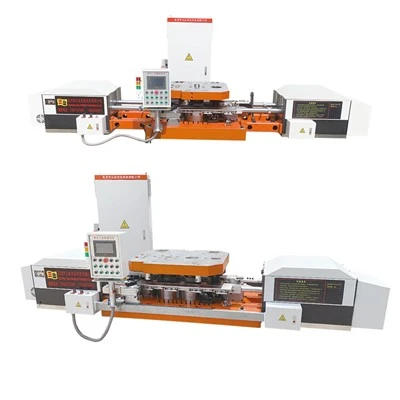
First, let’s set a quick foundation: a nut making machine isn’t a single piece of equipment—it’s a system of interconnected parts, depending on what it’s designed to do. Some models handle roasting, shelling, blanching, and sorting all in one unit; others are standalone, like a sheller or a nut coating machine. No matter the configuration, the vast majority of breakdowns fall into three categories: power and supply issues, part wear and misalignment, or programming errors. I’ve had a customer call me at 7 a.m. last month convinced their entire shelling unit was broken, only to find the air compressor that feeds the shelling jets had tripped a circuit breaker overnight. That’s why I always start troubleshooting with the simplest, most obvious checks first, to avoid wasting time and money on unnecessary service calls.
Step 1: Confirm Power and Utility Supplies Are Consistent
This is the 2-minute check that solves 30% of all nut making machine issues, and it’s the first thing I tell customers to do before they touch a single internal part. Nut making machines run on specific voltage and air pressure, and even a tiny fluctuation or dip in supply will cause erratic performance, not just total failure.
Let’s break this down: if your machine won’t turn on at all, first check the main power supply at the wall outlet, not just the machine’s own power switch. I’ve seen customers trip a kitchen circuit breaker while running a deep fryer and a nut roaster on the same circuit, and never think to check the breaker. For machines that use compressed air (almost all shelling, sorting, and some coating units), check the air gauge—most models require 90 to 120 PSI to run properly. If the gauge reads 70 PSI or lower, the jets won’t generate enough force to separate nut shells from kernels, or the sorting sensors won’t detect nuts moving past them. Also, check for loose hoses: a cracked or loose air hose will leak pressure, even if the compressor is working fine. Last quarter, a small-scale nut roaster operator called me saying their machine was overheating and burning nuts; we traced it to a frayed power cord that was only delivering 110 volts instead of the required 220, so the heating element couldn’t reach its set temperature.
If your machine turns on but produces inconsistent output (like uneven roasting, nuts still with shells attached, or jams mid-process), check the feed rate first. Overloading the hopper is the most common cause of performance issues. Nut making machines have a specific feed speed for each nut type: almonds are denser than peanuts, so you can’t pour the same volume into the hopper in the same time. If you’re loading 20 pounds of peanuts at once instead of 12, the feed conveyor will jam, or the heating elements will struggle to cook the nuts evenly because they’re stacked too thick. I tell all new customers to test the feed rate with a small batch first, before running full production, to get a feel for their specific machine’s limits.
Step 2: Inspect for Visible Wear, Misalignment, and Jams
Once you’ve confirmed power and supply are stable, turn off the machine and unplug it—safety first, always. Most nut making machine breakdowns are caused by small, easily fixable issues like jams, loose bolts, or worn parts that aren’t obvious at first glance. Let’s go through the high-wear parts to check, in order of how often they cause problems:
-
Conveyor Belts and Feed Chutes: The conveyor belt that moves nuts through the roaster, sheller, or sorting unit is the workhorse of the machine. If it’s slipping, stretching, or has small tears, nuts will get stuck in the gap between the belt and the chute, causing jams. To check, turn the belt manually (with the machine unplugged) and look for any spots where it doesn’t move smoothly, or where nuts catch. If the belt is loose, most models have an adjustment bolt on the side that you can tighten to get the right tension—don’t over-tighten, though, that will cause unnecessary wear on the motor. For feed chutes, make sure they’re not clogged with old nut shells or debris from the last run. I recommend cleaning the chutes after every production run, even if you don’t see a clog—old debris can harden over time and cause a jam the next time you run the machine.
-
Shelling Blades or Sorting Sensors: For shelling machines, the blades that crack nut shells will wear down over time, especially if you’re processing hard nuts like walnuts or pistachios. If you notice whole shells coming through with kernels after a run, first check the gap between the blades—most adjustable blade systems have a gauge that tells you the correct gap for each nut type. If the gap is set too wide, the blades won’t crack the shells; if it’s too narrow, they’ll crush the kernels. For sorting machines, which use cameras and sensors to separate out bad nuts or debris, the sensor lenses can get smudged with oil or nut dust, making them unable to detect smaller fragments. A quick wipe with a soft, lint-free cloth (no harsh chemicals) usually fixes this issue. Last year, a customer with a nut sorting machine rejected 20% of good nuts for a week, until we realized the lens had been coated with cooking spray from a nearby cooking area—after a wipe, the reject rate dropped back to 2%.
-
Heating Elements (for Roasting and Baking Units): If your nut making machine is a roaster, inconsistent roasting or burnt nuts are almost always linked to heating elements. Over time, elements can develop a thin layer of carbon buildup, which insulates them and makes them heat unevenly. To clean them, turn off the machine and let it cool completely, then use a soft brush or a dry cloth to wipe away the buildup—don’t use water, as that can damage the electrical components. If an element is completely burned out, you’ll usually see a gap in the wire, or it won’t heat up at all. Replacing an element is simple, and we sell replacement parts for all of our machines at a low cost, so you don’t need a technician to do it.
Step 3: Check Programming and Settings (Digital or Manual)
Modern nut making machines have digital control panels that let you adjust temperature, speed, and feed rate, but even the most experienced operators can accidentally change a setting, or the panel can glitch after a power outage. If you’re getting inconsistent results that don’t make sense, the first thing to do is reset the machine to its factory default settings—this takes 30 seconds, and it will eliminate any accidental changes.
If you have a manual machine (no digital panel), double-check the settings for your nut type. For example, roasting almonds requires 280 degrees Fahrenheit for 12 minutes, while roasting cashews needs 300 degrees for 8 minutes. I’ve had customers mix up these settings and end up with burnt cashews or under-roasted almonds, so keeping a cheat sheet of settings for each nut type right next to the control panel is a good idea. Another common setting issue is the speed of the conveyor belt: if the belt is moving too fast, nuts won’t stay in the heating zone long enough to roast properly; if it’s moving too slow, they’ll burn. Test the speed with a small batch of the nut you’re processing, and adjust the speed until you get evenly cooked nuts.
When to Call a Professional
Most of the issues I’ve mentioned above can be fixed in less than an hour, but there are a few red flags that mean you’ll need to call a technician, not a supply check. If your machine is making unusual noises (grinding, squealing, or knocking) that don’t sound normal, that usually means a part is damaged and needs to be replaced. If the control panel is not responding, or you see a warning code that you don’t recognize, don’t try to fix it yourself—electrical issues can be dangerous, and tampering with the panel without training can void your warranty. Also, if the machine is leaking oil or any other fluid, turn it off immediately, as that can cause a fire or damage other parts.
Preventive Maintenance Tips to Avoid Future Breakdowns
Troubleshooting is half the battle, but the best way to avoid machine issues is to do regular preventive maintenance. Here are a few tips I give all customers:
- Clean your machine after every run: Wipe down chutes, conveyors, and sensors to remove nut dust and debris.
- Check tightness of bolts and belts every month: Vibration from running the machine can make bolts loosen over time, and belts can stretch.
- Replace worn parts before they cause a breakdown: Keep spare blades, belts, and heating elements on hand so you don’t have to wait for a delivery when a part breaks.
- Train your staff on basic troubleshooting: Most machine issues are easy to fix, so teaching your team the steps I outlined here can save you thousands in downtime and repair costs.
Nut Bolt Manufacturing Machine At the end of the day, a nut making machine is only as good as the care you put into it, and most breakdowns are avoidable with a little bit of regular check-in. If you’re dealing with a persistent issue that you can’t fix on your own, or you’re looking to upgrade your nut making machine for higher volume, feel free to reach out to our team to discuss your needs. We offer one-on-one support for all our customers, from small-batch operations to large-scale production facilities, so you can get your machine up and running quickly.
References
- "Industrial Nut Processing Equipment: Maintenance and Troubleshooting Guide" – National Agricultural Statistics Service, U.S. Department of Agriculture, 2022
- "Best Practices for Nut Shelling and Sorting Equipment" – North American Nut Processors Association, 2023
- "Preventive Maintenance for Food Processing Machinery" – Food and Agriculture Organization of the United Nations, 2021
- "Troubleshooting Common Electric Processing Equipment Issues" – Occupational Safety and Health Administration, U.S. Department of Labor, 2022
Quanzhou Sanye Intelligent Technology Co., Ltd.
As one of the most professional nut making machine manufacturers and suppliers in China, we have world-leading production equipment and strong manufacturing capabilities. Please rest assured to buy customized nut making machine made in China here from our factory. Welcome to contact us for quotation.
Address: Anhai Town, Jinjiang City, Fujian Province, China
E-mail: jack_tmm@163.com
WebSite: https://www.qzsymanipulator.com/
