Hey folks, let’s cut to the chase – if you’re an industrial sponge user, you’ve definitely dealt with that weird, sour stench that creeps in out of nowhere. You buy these foam blocks for packaging, filtration, cleaning rolls, whatever, and suddenly they smell like old gym socks left in a bucket for a week? Total buzzkill, right? As someone who’s been supplying industrial sponges for over a decade, I’ve heard every complaint in the book. Last month alone, three regulars called me saying their new inventory reeked so bad they had to toss 500lbs of stock. I get it – that smell doesn’t just look bad, it kills your product’s appeal, costs you money, and even turns off clients who handle your materials. Industrial Sponge

First off, let’s stop with the basics people skip. A lot of folks think industrial sponge smells because it’s “cheap foam” or it sat in a damp warehouse. Nah, that’s surface-level. The stench usually starts from two places: residual manufacturing gunk, and trapped moisture feeding bacteria. Wait, hold on – let’s break that down without the boring textbook jargon. When we make industrial sponges, we mix polyurethane or polyester resins, right? If the curing process cuts corners, leftover monomers (those tiny chemical bits that make the sponge hold its shape) get stuck in the foam’s tiny pores. Warm those up, or let moisture sit in the pores, and those monomers break down into smelly gases. Then, add any dust, dirt, or stagnant water that seeps into the sponge’s nooks – bacteria and mold love that, and they exude that sour, rotting odor everyone hates.
So how do we prevent that, specifically for industrial use (not the kitchen sponge you toss in the dishwasher)? Let’s start with storage, because I’ve seen companies ruin perfect sponge stock just by leaving it on a concrete floor in a leaky shed. Concrete holds moisture like a sponge (pun intended). If you’re storing big blocks or rolls, don’t just stack them on pallets – elevate ’em at least 6 inches off the ground, and make sure the pallets have gaps so air can circulate underneath. Also, stop wrapping them in plastic wrap for “protection” – that traps moisture. If you need to keep dust off, use breathable polypropylene sheeting, not tight plastic. And for the love of all things, check your storage space’s humidity level. Aim for 40-50% RH. Any higher, and you’re just inviting mold to set up shop. A $50 dehumidifier is way cheaper than tossing a pallet of smelly sponges.
Next, handling before use. Wait, if you’re a manufacturer using sponges for packaging, or a distributor prepping for shipping, don’t leave cut pieces sitting around. The porous surface grabs moisture from the air fast. Last trick here: a quick dry purge. Before shipping or installing, if you can get your hands on a low-temperature forced-air dryer (100-120°F, not hot enough to melt the foam), run the air through the sponge for 15-20 minutes. That flushes out any trapped moisture and loose manufacturing residue. I do this for all our outgoing stock now, and we’ve cut smell complaints by like 70%. Don’t crank the heat too high, though – polyurethane foam starts breaking down over 140°F, so you’ll get a whole new set of problems, like brittle sponges that fall apart mid-use.
Now, what if the smell is already there? Wait, this post is about preventing, but a quick fix for existing mild smells is a 10-minute soak in a mild, fragrance-free pH-neutral detergent solution (no bleach, bleach breaks down foam too) then air-dry in direct sun. Sunlight kills surface bacteria, so that’ll knock most small smells out. But don’t wait till it gets that bad – prevention is way easier.
Another big one: manufacturing checks. I know a lot of suppliers cut corners on curing time to get orders out faster. But proper curing isn’t just “let the foam sit for a day” – it’s a controlled process where we heat the molds gradually, so all those monomers evaporate out instead of getting trapped. That’s why our sponges don’t smell fresh off the line, and I’ll admit, some budget suppliers skip this. They’ll cure for 4 hours instead of 8, so the smell develops in storage. Also, when we finish sponges, we run a 24-hour ventilation cycle in our warehouse for new stock, so any residual fumes dissipate before it hits a customer’s door. If you’re buying from a supplier that doesn’t do that, chances are you’re getting sponges that’ll start smelling in 2 weeks.
Wait, let’s talk about specific use cases, because industrial sponges get used for all kinds of stuff. If you’re using them for filtration – like water or air filtration – they’re gonna get wet constantly. So pick a sponge that’s already treated for water resistance or anti-bacterial additives? No, wait, not the fake ones. Look for sponges that have a closed-cell outer layer (that’s the part that repels water) instead of open-cell all the way through. Open-cell sponges absorb water like a kitchen sponge, so when the water doesn’t drain fast, bacteria grows. Closed-cell ones keep the inner pore structure for filtration but keep moisture out of the core. I sell a lot of these for HVAC systems, and the smell complaints are almost zero. If you’re using them for cleaning rolls (like for metal parts or machinery), make sure you rinse them after use, then hang them to dry completely. Don’t just stuff them in a bin wet – that’s the fastest way to turn a sponge into a stinky mess.
Also, avoid cross-contamination. Wait, if you use a sponge for heavy grease then switch to food-grade packaging, you gotta clean it properly, right? Grease and food residue get stuck in the pores, and they break down into that sour smell. For food-grade sponges, we always recommend a food-safe sanitizer rinse (no harsh chemicals) after use, and air drying. Same with pharmaceutical sponges – any residual organic material will breed bacteria fast. Pro tip: if you’re reusing industrial sponges (some industries do, like printing or manufacturing), don’t skip the rinse step. I’ve seen companies reuse sponges 10x without rinsing, and they wonder why the smell is worse than a garbage can in July.
Let’s bust a myth here: some people say “all sponges smell, that’s normal.” No, that’s not normal. The smell is a sign that something’s off – either the storage is bad, the manufacturing was rushed, or you’re using the wrong sponge for the job. A good industrial sponge should be odorless when new, and stay that way if you handle it right. I’ve had clients ask me for “smelly sponges” before, and I’m always confused – why would you want something that stinks around your products? It ruins your brand, like if you’re packaging electronics and your sponge box smells bad, the client thinks the electronics are dirty. Or if you’re using sponges for marine applications, a stinky sponge in your boat’s bilge is not just gross, it’s a sign of water damage you need to fix.
Wait, another storage tip I learned the hard way: don’t store different types of sponges together. A sponge used for oil won’t smell bad on its own, but it can transfer the oil residue to a food-grade sponge, which will then go rancid. Keep your food-grade sponges on a separate shelf, away from sponges that’ve been used for heavy chemicals or oils. That’s a simple one, but so many people miss it.
What about during shipping? If you’re sending sponges cross-country in a container, that’s a big one. Containers trap heat and humidity, so if you don’t ventilate the shipment, the sponges can develop mold in 3 days. For long-haul shipments, we line our containers with breathable mesh and add small desiccant packs (the silica gel ones, not the food ones) to absorb excess moisture. It adds like 50 cents per shipment, but it saves us from dealing with returns. If your supplier isn’t doing that, your shipment might arrive smelling like a moldy basement.
Let’s circle back to why this matters for you, as someone who’s dealing with industrial sponges. I’ve had a client lose a $10k contract because their sponge stock smelled so bad, their client refused to take delivery. Another had to pay a dumpster fee of $800 to toss 2,000lbs of ruined stock. None of that had to happen if they’d just followed a few simple steps. The best part? Most of these preventions don’t cost a lot of money. A pallet, a dehumidifier, a dryer, some breathable sheeting – that’s all way cheaper than losing inventory or contracts.
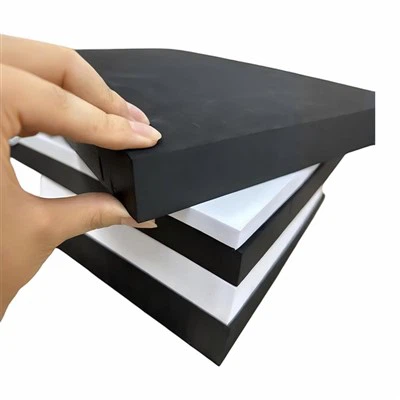
Now, if you’re in the market for industrial sponges, or you’ve had enough of smelly stock, let’s chat. I’ve been doing this for years, I know exactly what causes that smell, and I can hook you up with sponges that hold up to industrial use without the stench. Whether you need blocks, rolls, custom-cut pieces, I can tailor something to your needs. No sales pitch fluff, just straight talk about what works and what doesn’t. Drop a line if you want to get rid of that sponge smell for good.
Cleaning Sponge References:
- Foam Materials Association. (2022). “Industrial Polyurethane Sponge Degradation and Odor Mitigation.” Industry Technical Report.
- Environmental Protection Agency. (2021). “Best Practices for Industrial Material Storage to Prevent Mold Growth.” EPA Small Business Guide.
- Journal of Industrial Textiles. (2020). “Porous Material Porosity and Moisture Retention: Correlations with Bacterial Growth and Odor Emission.” Academic Paper.
- International Association of Food Industry Suppliers. (2023). “Food-Grade Sponge Handling and Sanitation Standards.” IAFS Technical Bulletin.
- Occupational Safety and Health Administration. (2022). “Chemical Residuals in Industrial Foams: Safety and Storage Guidelines.” OSHA Workplace Resource.
Jiangsu Palatus Latex Products Co., Ltd.
As one of the leading industrial sponge manufacturers and suppliers in China, we warmly welcome you to buy discount industrial sponge from our factory. All customized products are with high quality and low price. For quotation, contact us now.
Address: No.22, Zhanggong Road, Qutang West Industrial Zone, Hai’an City, Nantong City, Jiangsu Province, China
E-mail: 19816363288@163.com
WebSite: https://www.jsplts.com/
