If you’re running a slaughterhouse, whether it’s a small, local operation processing 50 head of cattle a week or a mid-sized facility handling several hundred hogs daily, one of the most critical questions you’ll face when upgrading or replacing your waste treatment system is: What size Slaughterhouse Waste Treatment Equipment do I need? I’ve worked with dozens of slaughterhouse owners over the past 12 years, and I can tell you that this isn’t a one-size-fits-all question. I’ve seen a 20,000-gallon-per-day system installed in a 200-head-a-week facility that couldn’t keep up because the owner rushed the purchase, and I’ve seen a 100,000-gallon system oversized for a 1,500-head-a-month operation that wasted thousands in unnecessary utility and maintenance costs. The right size doesn’t just depend on how much waste you produce—it depends on a handful of specific, site-specific factors that most buyers overlook at first. Let’s break this down so you don’t make the same mistakes I’ve seen too many operators make. Slaughterhouse Waste Treatment Equipment
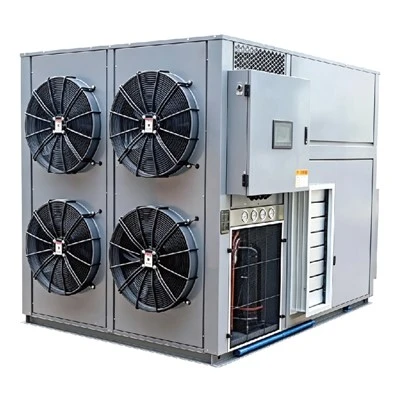
First, let’s start with the basics: what exactly counts as “slaughterhouse waste” that your treatment equipment needs to handle. It’s not just the blood and water used to rinse carcasses, though those make up the largest volume. There’s also gut content (undigested feed, manure, and small organic debris), fat and grease (called “floatables”), and even small amounts of sanitizing chemicals used during processing. These aren’t just messy—they’re high in biochemical oxygen demand (BOD) and chemical oxygen demand (COD), which means if you don’t treat them properly, they’ll violate local environmental discharge rules, attract pests, or even shut your operation down. The volume and composition of this waste will be the foundation for sizing your system, so you need to get that right first.
The biggest driver of equipment size, by far, is the volume of wastewater your slaughterhouse generates. Most people think this is just tied to how many animals you process, but that’s only partially true. Let’s talk about cattle first, for example. A typical beef slaughterhouse will produce between 15 and 20 gallons of wastewater per head of cattle processed. So if you process 100 head a day, that’s 1,500 to 2,000 gallons of wastewater daily. For hogs, it’s a bit lower—usually 10 to 15 gallons per head—while sheep and goats clock in at around 5 to 10 gallons per head. But wait a second: that’s just the average daily volume. You also need to account for peak flow. Most slaughterhouses process animals 5 or 6 days a week, often 8 to 12 hours a day. That means wastewater isn’t generated evenly across the day—you’ll have a big surge during processing hours, and almost nothing overnight. If you size your system for average daily flow, it will struggle during those peak hours because the equipment can’t process the waste fast enough, leading to backups and even overflows. I always tell operators to add a 20 to 30% buffer for peak flow. So for that 100-head-a-day beef facility, instead of 1,800 gallons average, you’d size for at least 2,160 to 2,340 gallons of peak flow, not the average. That small extra buffer has saved so many of my customers from costly emergency repairs.
But volume isn’t the only factor. The strength of your waste matters too, and that can vary a lot based on how your slaughterhouse is laid out. For example, a facility that drains all blood, gut content, and fat into a single wastewater line will have much higher BOD and COD levels than one that separates those streams. Blood alone has a BOD of around 1,800 mg/L, which is 10 times higher than domestic sewage. If you don’t separate blood and fat first, your treatment system has to work harder to break down that extra organic load, which means you might need a larger (or more advanced) system than if you had pre-treatment steps to remove those high-strength streams. I had a customer a couple years ago who installed a basic system sized for volume, but his waste had double the expected BOD because he wasn’t separating blood. He ended up having to upgrade the aeration unit six months later, costing him twice what he’d spent upfront. It’s way cheaper to get a system sized for both volume and strength the first time.
Next, you have to factor in local regulations and discharge requirements. This is non-negotiable, and it’s one of the first things I ask every customer when they reach out. Some areas require you to treat wastewater to a specific BOD, COD, and total suspended solids (TSS) limit before you can discharge it to a municipal sewer line, while rural facilities might need to treat it enough for on-site irrigation or even reuse for cleaning. For example, if your municipality lets you discharge up to 30 mg/L of BOD, your system has to be sized to handle not just your waste, but also the level of treatment needed to hit that number. I’ve seen operators buy a system that’s exactly the right volume, but because it only does primary treatment, it couldn’t meet secondary treatment requirements for discharge, forcing them to add more equipment later. Always check with your local environmental agency before you even start looking at equipment sizes—they’ll give you the exact limits you need to meet.
Another big factor is future growth. A lot of small slaughterhouses start with a niche market, like grass-fed beef, and then expand to process more animals or add another product line, like custom pork. If you’re only processing 50 head a week right now but plan to double that in two years, sizing a system for only the current volume will leave you scrambling again when you expand. I recommend asking yourself: what’s the maximum number of animals I could reasonably process in the next 3 to 5 years? Build that into your sizing calculation, even if you’re not at that level yet. It might mean a slightly higher upfront cost, but it saves you from having to replace or add to your system sooner than you need to. One of my long-term customers, a family-owned slaughterhouse in Iowa, did this back in 2018 when they had 80 head a week. They sized their system for 200 head, and when they expanded to 180 head in 2021, they didn’t have to do any upgrades. That extra buffer cost them an extra $12,000 back then, but they saved $40,000 in upgrade costs and downtime three years later. It’s a smart investment, not a waste of money.
You also need to consider the space you have available for the equipment. A lot of small slaughterhouses are in repurposed buildings, so they don’t have a lot of extra yard space for a big system. If you have a 1,000-square-foot concrete pad to work with, you might not be able to fit a system sized for 500 head a week, no matter how much waste you generate. That means you might need to choose a more compact, modular system instead of a large, custom one. I work with a lot of operators who underestimate how much space their equipment will take—they only calculate the volume of the tank, but forget about access for maintenance, pump rooms, and maybe even a small control room. If you’re tight on space, talk to your supplier about modular systems that can be staged as you grow, instead of a large, all-in-one unit that doesn’t fit.
Wait, let’s talk about the common mistakes I see all the time, because these are the ones that cause the most problems. First, sizing for average daily flow instead of peak flow. As I mentioned earlier, slaughterhouse waste is not generated evenly. If your system is sized for average, you’ll have surges that make the system work too hard, leading to incomplete treatment and possible overflows. Second, not accounting for waste strength. If you have a lot of blood or fat in your waste, your system has to handle a higher organic load, so you might need a larger aeration unit or more processing stages than a facility with less concentrated waste. Third, ignoring local regulations. I had a customer in Ohio who bought a system sized for volume, but the state required a 95% BOD reduction, and the system he bought only did 80%. He had to add a secondary treatment unit, which cost him $25,000. That’s avoidable if you check regulations first. Fourth, forgetting about future growth. If you plan to expand, sizing for current needs is short-sighted.
Now, let’s walk through an example to make this concrete. Let’s say you’re a small beef slaughterhouse processing 100 head a day, 5 days a week. First, calculate your average daily wastewater volume: 100 head x 18 gallons per head = 1,800 gallons per day. Next, add 25% for peak flow, so 1,800 x 1.25 = 2,250 gallons per day. Now, check your waste strength: let’s say your BOD is 1,200 mg/L, which is higher than domestic sewage, and your local rule requires a 90% BOD reduction to discharge to the sewer. Now, check your space: you have a 15×20 foot pad available. A modular system sized for 2,500 gallons per day will fit that space, handles the extra BOD load, and has enough buffer for a planned expansion to 150 head a day in two years. That’s the sweet spot.
So what should you do next? First, gather all your data: your current number of animals processed per day/week, the type of animals, your local discharge limits, your available space, and your growth plans. Second, don’t guess—work with a supplier who specializes in slaughterhouse waste treatment, not just general wastewater. They can help you test your waste’s BOD and COD levels, calculate peak flow, and match you to the right size system. I’ve had customers come to me with numbers they found online, and when we test their actual waste, it’s completely different from the averages they used. That’s why on-site testing is so important.
I know that buying new equipment feels like a big expense, but getting the wrong size is more expensive in the long run. Downtime from overflows, regulatory fines, and emergency upgrades add up fast. That’s why I always take the time to walk through every single factor with each of my customers, no matter how big or small their operation is. I’ve been doing this for over a decade, so I’ve seen the good, the bad, and the ugly of sizing slaughterhouse waste treatment equipment, and my goal is to help you avoid the ugly parts.
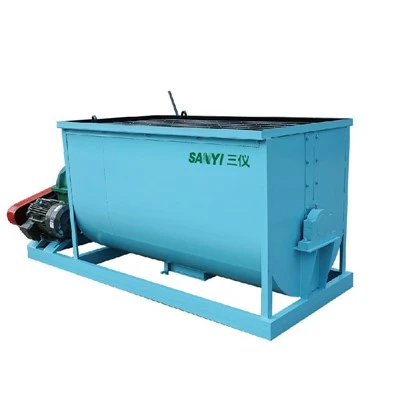
If you’re not sure where to start, just reach out. I can send you a simple checklist to help you gather the information we need, or answer any questions you have about sizing, regulations, or equipment options. There’s no pressure, and I don’t believe in one-size-fits-all solutions for slaughterhouses. Every operation is different, and your treatment system should fit your specific needs, not a generic formula. Don’t let a bad sizing decision derail your operation—take the time to get it right the first time. When you’re ready to talk through your specific needs, feel free to connect. I’m here to help you make the best choice for your slaughterhouse.
Low-temperature Compatible Organic Waste Fermentation Tank References:
- U.S. Environmental Protection Agency. (2021). Wastewater Management Guidelines for Slaughterhouses and Meat Processing Plants. EPA 821-R-21-003.
- Food and Agriculture Organization of the United Nations. (2019). Small-Scale Slaughterhouse Waste Treatment: A Guide for Operators. FAO Animal Production and Health Paper No. 185.
- National Pork Producers Council. (2020). Wastewater Generation and Treatment for Pork Slaughter Facilities. NPPC Technical Bulletin.
- American Meat Science Association. (2018). Characteristics of Slaughterhouse Waste Streams and Treatment Requirements. AMSA Science Report Series.
Shandong Heze Sanyi Biological Engineering Co., Ltd.
Shandong Heze Sanyi Biological Engineering Co., Ltd. is one of the most reliable slaughterhouse waste treatment equipment manufacturers and suppliers in China, also supports customized service. We warmly welcome you to buy CE approved slaughterhouse waste treatment equipment made in China here from our factory.
Address: No.1118 Lanzhou Road, High-tech Zone, Heze City.
E-mail: business@hzsysam.com
WebSite: https://www.hzsysam.com/
