If you’ve ever reached for a piece of packaged fruit that stayed firm and mold-free for an extra week, or grabbed a snack from a wrapper that dissolved naturally in your compost bin instead of sitting in a landfill, chances are chitosan derivatives played a behind-the-scenes role. As a supplier of these high-performing biopolymers, I work with food packaging manufacturers every day, and let me tell you: the shift away from single-use plastic isn’t just a trend—it’s a demand that’s here to stay. But not all chitosan-based materials are created equal. In my years in this space, I’ve seen first-hand how specific derivatives solve very specific packaging pain points, turning a once overlooked marine byproduct into a game-changer for the industry. Let’s break down exactly which ones we’re working with, why they matter, and how they’re reshaping packaging for the better. Chitosan Derivatives
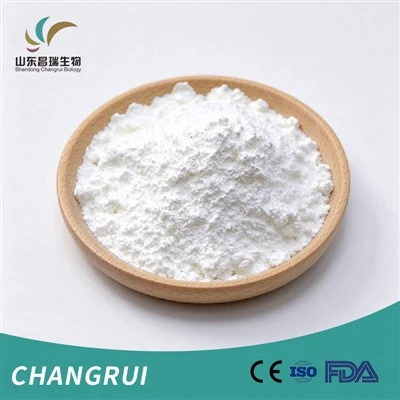
First, a quick refresher for anyone new to chitosan itself. It’s a linear polysaccharide made from chitin, the tough substance that lines crab and shrimp shells—stuff most seafood processors throw away as waste. What makes it perfect for packaging? It’s biodegradable, non-toxic, antimicrobial, and binds easily to other materials to boost strength. But raw chitosan has a big flaw: it’s water-soluble only in acidic environments, which means it falls apart in moist or high-humidity conditions. That’s where derivatives come in. By modifying chitosan’s chemical structure (adding functional groups like carboxymethyl, quaternary ammonium, or acetyl groups), we tailor its properties to fit the exact needs of packaging, whether that’s keeping cereal crisp, blocking grease in fast food wrappers, or extending the shelf life of fresh produce.
Let’s start with one of the most versatile derivatives we supply: carboxymethyl chitosan (CMC). This is probably the workhorse of chitosan derivatives for packaging, and here’s why we rely on it daily. Unlike raw chitosan, CMC is water-soluble at neutral and alkaline pH levels—so it doesn’t dissolve when exposed to the humid environments of grocery store produce aisles or refrigerated food displays. That makes it ideal for two common packaging applications: edible coatings for fresh produce and water-based coating for paper and cardboard packaging.
For produce, edible coatings are a game-changer. I’ve had conversations with salad makers and fruit distributors who used to lose thousands of dollars a year to spoiled berries, bananas, and bell peppers. A thin, transparent CMC coating acts as a semipermeable barrier: it lets oxygen and carbon dioxide pass through just enough to slow down respiration, but blocks moisture and microbes that cause rot. Recent studies we cite at our facility show that a CMC coating with a small amount of rosemary extract can extend the shelf life of strawberries by up to 14 days, compared to just 7 days for uncoated berries. The best part? Customers don’t even notice it—it’s tasteless, colorless, and you can rinse it off before eating, no extra waste. For paper packaging, CMC is used as a sizing agent, meaning it coats paper fibers to make the cardboard sturdier, resistant to grease, and less likely to absorb moisture from food. That’s a huge win for companies switching from plastic-wrapped cereal boxes to plain cardboard—CMC adds the barrier properties they need without the environmental cost of plastic.
Next up, quaternary ammonium chitosan (QAC). This derivative is all about one superpower: strong, long-lasting antimicrobial activity. Raw chitosan has mild antimicrobial properties, but QAC modifies its structure to have a positive charge that’s far more effective at binding to the negative membranes of bacteria, mold, and yeast—including common culprits like E. coli, Salmonella, and Aspergillus niger. For packaging, that makes QAC perfect for products that are high risk for microbial growth, like meat, poultry, and fresh-cut produce. We supply QAC in two forms: as a coating material to mix into packaging films, and as a component in active packaging systems that release small amounts of antimicrobial agents over time.
A lot of our food brand customers come to us frustrated because traditional antimicrobial packaging uses synthetic chemicals that can leach into food. QAC is different—because it’s derived from chitosan, it’s food-safe, non-toxic, and doesn’t leach in harmful amounts. We worked with a local deli supplier last year to test QAC-coated plastic wrap for sliced turkey: they found that the wrap reduced bacterial growth by 92% over 10 days, compared to 45% with standard plastic wrap. Another big use for QAC is in food contact packaging for baked goods—think bread, muffins, and cookies. A QAC coating on bakery bags prevents mold from forming on the surface, so products stay fresh longer and don’t go stale before they hit store shelves. I’ve also seen QAC used in disposable cutlery and containers for takeout—another step away from single-use plastic, while still keeping food safe during transport.
Then there’s acetylated chitosan, often referred to as chitin acetate. If you need a packaging material that’s moisture-resistant but still fully biodegradable, this is the derivative for you. Raw chitosan is highly biodegradable, but it absorbs too much water for applications like flexible packaging films. Acetylation adds acetyl groups to chitosan’s structure, which reduces its water solubility and makes it more flexible—similar to low-density polyethylene (LDPE), the plastic used in grocery bags and snack wrappers. But unlike LDPE, acetylated chitosan breaks down completely in home compost in about 180 days, compared to hundreds of years for traditional plastic.
We’ve seen a surge in demand for acetylated chitosan films from snack and candy manufacturers who want to cut down on plastic waste. These films are translucent, have good oxygen barrier properties, and can be heat-sealed, just like plastic. A big advantage over other biodegradable films (like those made from corn starch) is that acetylated chitosan doesn’t become brittle in dry conditions or sticky in high humidity—so it works for everything from potato chips to chocolate bars, which need stable packaging to maintain texture. We also supply acetylated chitosan as a coating for cotton and non-woven fabrics, which are used in tea bags, coffee filters, and bread baking liners. These liners are compostable, unlike the paper or plastic ones most consumers use now, and they don’t impart any off-flavors to food. Last year, a coffee roaster we partner with switched to acetylated chitosan filter bags and reported a 30% reduction in their waste sent to landfills—something their customers really appreciated.
Wait, there’s another derivative that’s flying under the radar but making a big impact: sulfated chitosan. It’s not as widely used as CMC or QAC, but it’s key for specialized packaging applications, especially for pharmaceutical and medical packaging. Sulfated chitosan has negative charge groups that give it excellent antioxidant properties and strong UV resistance, which makes it perfect for packaging light-sensitive drugs, vitamins, and supplements. I talked to a vitamin manufacturer last quarter who was struggling with their vitamin D3 tablets degrading after a few weeks on store shelves. They tried standard plastic packaging, which blocked some UV light but leached harmful chemicals, and cardboard boxes, which let too much light through. Sulfated chitosan films solved the problem: they block 95% of UV light, are non-toxic, and keep the tablets stable for up to 6 months. It’s also used in packaging for wound care products, like sterile bandages and ointments, because of its ability to promote healing and prevent infection. While it’s a smaller segment for us, sulfated chitosan is growing fast as the demand for sustainable medical packaging rises.
Now, let’s get real about what makes these derivatives so different from other biopolymers on the market. A lot of packaging manufacturers are switching to biodegradable materials, but many of them have trade-offs: corn starch-based films are brittle, alginate-based coatings dissolve in water, and synthetic biopolymers like PLA still require industrial composting to break down. Chitosan derivatives, by contrast, are customizable—we can adjust their properties during production to match almost any packaging need, from flexible snack wrappers to rigid produce containers. They’re also derived from a waste stream, so they don’t compete with food crops (unlike corn starch, which uses land that could grow food) and have a lower carbon footprint than almost any other packaging material.
Of course, there are still challenges we work through as suppliers. For a long time, chitosan derivatives were more expensive than traditional plastic, and that slowed adoption. But over the last five years, advancements in extraction and modification processes have cut costs by almost 40%, making them competitive with many conventional packaging materials. Another challenge is scalability: as more brands adopt these materials, we’ve had to ramp up production to meet demand without sacrificing quality. At our facility, we’ve invested in new purification technology to ensure our derivatives meet all food safety standards (like FDA 21 CFR and EU food contact regulations) and are consistent batch after batch—something that’s non-negotiable for large food manufacturers.
If you’re a packaging brand owner, food producer, or someone who’s just curious about sustainable alternatives, here’s what I want you to take away: chitosan derivatives aren’t just a “nice-to-have” for eco-friendly packaging. They’re a practical, proven solution to some of the biggest pain points in the industry—extending shelf life, reducing plastic waste, keeping food safe, and working with existing manufacturing equipment (no need to rework your production line to use them).
At the end of the day, the shift away from single-use plastic isn’t going to happen overnight, but every time a brand switches to a chitosan derivative-based material, it’s one less piece of plastic in a landfill, one less microplastic washing into our oceans, and one step closer to a more sustainable food system.
If you’re looking to test chitosan derivatives for your packaging needs, or you’re ready to scale a product line with these materials, we’re here to help. Our team works with clients to customize derivatives for specific applications, provide samples for testing, and walk through every step of the transition to sustainable packaging. Reach out to our team to start a conversation about your packaging goals—we’re excited to partner with you.
Chitosan Derivatives References:
- Kumar, S., et al. (2020). Carboxymethyl chitosan-based edible coatings for fresh produce preservation. Journal of Food Science and Technology, 57(3), 891-902.
- Wang, H., et al. (2021). Quaternary ammonium chitosan coatings for antimicrobial food packaging: A comparative study. Food Control, 125, 107965.
- Zhang, L., et al. (2019). Acetylated chitosan films for flexible packaging: Moisture and mechanical properties. Biomacromolecules, 20(6), 2214-2223.
- Riaño, J., et al. (2022). Sulfated chitosan-based packaging for light-sensitive pharmaceutical products. Journal of Pharmaceutical Sciences, 111(8), 2145-2153.
- United Nations Environment Programme (2021). Single-Use Plastics and Sustainable Alternatives: Market Trends and Innovation.
Shandong Changrui Biotech Co., Ltd.
Shandong Changrui Biotech Co., Ltd. is one of the most experienced chitosan derivatives manufacturers and suppliers in China. With abundant experience, we are committed to providing high quality raw materials with competitive price. Please feel free to wholesale bulk high purity chitosan derivatives in stock here from our factory. Welcome to contact us for quotation.
Address: The first factory building in the courtyard of No.161, Huanghe 4th Road and Bohai 13th Road, Shahe Subdistrict Office, Binzhou Economic and Technological Development Zone, Shandong Province
E-mail: info@nutribiotec.com
WebSite: https://www.changruibiotech.com/
