If you’ve ever grabbed a handful of dried apricots mid-afternoon instead of reaching for a candy bar, you’re not alone. As someone who’s spent the last decade sourcing, testing, and distributing dried fruits—including our flagship line of sun-dried apricots—I’ve heard every question under the sun about this shelf-stable snack. Most recently, I’ve gotten a flurry of messages from retailers, health-conscious consumers, and even other dried fruit vendors asking the same thing: Are dried apricots actually good for you? The short answer is yes, but like any food, it’s not as simple as “dried = healthy.” Let’s break down the science, the nuances, and why our team stands behind our apricots as a nutrient-dense, convenient choice—no fancy processing tricks, just the fruit we source directly from family farms in the Aegean. Dried Fruit

First, let’s talk about what happens when you dry an apricot. Fresh apricots are about 80% water, so drying removes that moisture to extend their shelf life without adding preservatives. The key here is that when done properly (using natural sun drying or low-temperature dehydrators, not high heat that destroys nutrients), most of the original vitamins, minerals, and fiber stay intact. That’s a big deal because fresh apricots are only in season for 4-6 weeks a year, so dried versions make their nutrients available all 12 months.
Let’s start with the heavy hitters in dried apricots: minerals. If you’ve ever felt tired or constipated, you might need more of two minerals that dried apricots are packed with: potassium and iron. A 1/4 cup serving of our sun-dried apricots has about 300mg of potassium—roughly 6% of your daily recommended intake. Potassium is critical for regulating blood pressure, supporting heart rhythm, and balancing the sodium in your diet. Most people don’t get enough potassium, per the World Health Organization, so swapping a salty snack like chips for dried apricots is a smart, delicious switch. Then there’s iron: dried apricots have about 1.5mg per 1/4 cup, which is 8% of the daily goal for women and 19% for men. The iron in apricots is non-heme iron (the type from plants), which pairs perfectly with vitamin C—another nutrient that’s abundant here. In fact, a single serving of dried apricots has 10% of your daily vitamin C, and that vitamin C boosts your body’s ability to absorb that non-heme iron by up to 5 times. That’s why we love pairing our apricots with things like spinach, citrus, or even a handful of almonds—extra nutrient synergy.
Next up: fiber. A 1/4 cup serving of dried apricots has 3g of dietary fiber, which is 10% of your daily requirement. There are two types of fiber—soluble and insoluble—and dried apricots have both. Insoluble fiber adds bulk to your stool, keeping your digestive system running smoothly and preventing constipation. If you’ve ever heard of people using dried fruits as a natural remedy for mild digestive issues, this is why it works. Soluble fiber, on the other hand, binds to cholesterol in your gut and helps lower bad LDL cholesterol, supporting long-term heart health. For busy parents, office workers, or anyone who struggles to hit their fiber goals, a small handful of dried apricots is an easy way to check that box without the mess or prep of fresh fruits.
Now, let’s address the elephant in the room: sugar. A 1/4 cup serving has about 15g of sugar, which sounds high until you realize that’s all natural fruit sugar (fructose) from the apricot itself. Compare that to a 1-ounce candy bar, which can have 20g of added sugar, or a 12-ounce soda with 39g of added sugar, and it’s clear that the sugar in dried apricots is not the same as the added sugar we’re told to limit. That said, portion control is key here. As a supplier, we never add extra sugar to our dried apricots—what you see is exactly what the fruit had, concentrated. But because it’s concentrated, it’s easy to overeat. I always tell our retail partners and end consumers: stick to 1/4 to 1/2 cup per serving, and pair it with a protein source like Greek yogurt, nuts, or cheese to slow down sugar absorption and keep you full longer. That balance is why dried apricots work as a snack, not a dessert replacement for every single occasion.
Another point people ask about is antioxidants. Fresh apricots are high in beta-carotene, which your body converts to vitamin A, a nutrient that’s great for eye health, immune function, and skin health. Drying doesn’t destroy beta-carotene—in fact, some studies show that the concentration of certain antioxidants like beta-carotene actually increases when fruit is dried, because the water is removed, making the nutrient more dense. A 1/4 cup of our dried apricots has 20% of your daily vitamin A, which is a big win for anyone who struggles to eat orange fruits and veggies regularly. We’ve worked with a nutritionist who explained that dried fruits are especially convenient for people on the go: if you’re traveling, camping, or just don’t have time to cut up fresh fruit, dried apricots are non-perishable, require no prep, and still deliver those antioxidants.
Of course, no food is perfect, and dried apricots are no exception. The main concern is sulfites, which some manufacturers add to dried fruits to keep their bright orange color and extend shelf life. For people with sulfite allergies or asthma, that can be a problem. That’s why our company made a choice years ago to sell only unsulfured dried apricots. We source our fruit from family farms that use natural sun drying and don’t add any preservatives—just apricots. We let the natural color show (they might be a little darker than the sulfured versions, but that’s a good thing—it means no extra chemicals). For our customers, that’s non-negotiable. We’d rather have our apricots be a nutrient-dense choice for everyone, not just people who don’t have sensitivities.
Another thing to consider is added sugars that some cheaper dried fruit brands put in. I’ve seen brands that coat their apricots in sugar syrup to make them sweeter and extend their shelf life, but that’s not the fruit we want to sell. Our team does taste tests every batch, and we reject any apricot that doesn’t taste like the real thing—sweet, tart, and rich, without any aftertaste from added ingredients. For our retail partners, we provide transparent labels that list only dried apricots as the ingredient, no hidden additives. That level of transparency is important to me, because I started this business after noticing how many shelf-stable snacks were full of ingredients I couldn’t pronounce. I wanted to offer a dried fruit that I’d feel good giving to my own kids, and our customers deserve that too.
Now, let’s talk about who can benefit the most from dried apricots, and who should be mindful of them. For athletes or people with high energy needs, the natural sugar and potassium in dried apricots make them a great pre or post-workout snack. The potassium helps prevent muscle cramps, and the natural sugar gives a quick energy boost without the crash of a sports drink. For older adults, who often struggle with constipation or low potassium, dried apricots can be a gentle, regular addition to their diet. For anyone watching their sugar intake—like people with diabetes—portion control is key. We work with dietitians who advise people with diabetes to count dried apricots as a carbohydrate source, so they can adjust their meals accordingly. It’s not off-limits, it’s just about planning.
As a supplier, we also know that many of our customers are small retailers, cafes, or health food stores that want to offer their customers real, healthy options. We hear from cafes that use our dried apricots in trail mixes, oatmeal toppings, or even in savory dishes like chicken tagines (the tart-sweet flavor pairs perfectly with savory spices). We hear from trail mix brands that rely on our apricots because they’re consistent, non-perishable, and don’t go bad on the shelf. What sets our apricots apart is that we build relationships with the farms we work with. We visit them every season, help them with sustainable farming practices, and ensure that the apricots are picked at peak ripeness—before they’re overripe or underripe—so they dry to perfection. That attention to detail isn’t just good for the fruit; it’s good for the nutritional value. A ripe apricot has more nutrients than an unripe one, so our farm partners time the harvest just right, and our drying process preserves that ripeness.
I’ve had so many customers tell me they used to avoid dried fruits because they thought they were just “empty calories.” But after learning about the fiber, minerals, and antioxidants, they’ve started adding dried apricots back into their diets—mindfully. Last month, a small bakery in Portland reached out to us saying they use our dried apricots in their scones, and their customers have been asking where to buy the apricots separately. That’s the kind of feedback that makes all the long days of sourcing, testing, and shipping worth it.
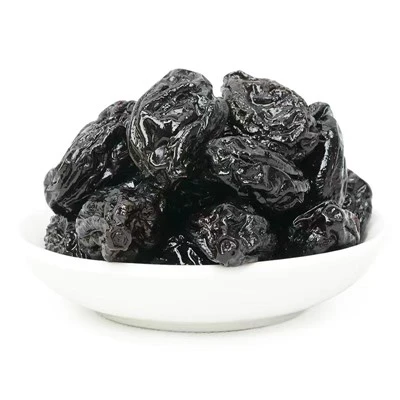
At the end of the day, dried apricots are a convenient, nutrient-dense food that fits into a balanced diet—if you choose the right ones. Avoid brands with added sugar or sulfites, stick to small portions, and pair them with protein or healthy fats to make them even more satisfying. For us, as a dried fruit supplier, our mission is simple: to provide high-quality, clean, nutrient-rich dried apricots that both consumers and retailers can trust. If you’re a retailer looking to add a reliable, transparent dried apricot line to your store, or a health-conscious buyer who wants to source direct, we’re here to help. We work with businesses of all sizes, from small local health stores to large regional chains, and we can tailor orders to meet your needs. Whether you need bulk apricots for a trail mix line or smaller quantities for a local cafe, we have you covered. Let’s connect to talk more about how our dried apricots can be part of your product lineup or your personal healthy routine.
Preserved Fruit References
- United States Department of Agriculture, FoodData Central: Dried apricots, raw (unsulfured)
- World Health Organization, Global Database on Body Mass Index and Micronutrient Deficiencies: Potassium intake recommendations and public health impact
- Journal of Agricultural and Food Chemistry, Antioxidant retention in dried stone fruits: Effects of drying method and storage conditions
- Academy of Nutrition and Dietetics, Position paper on dried fruits in healthy dietary patterns
- National Institute of Diabetes and Digestive and Kidney Diseases, Dietary fiber intake and gastrointestinal health: Evidence supporting soluble and insoluble fiber benefits
Gayafru Food (Hangzhou) Co., Ltd.
As one of the most professional dried fruit manufacturers and suppliers in China, we have world-leading production equipment and strong manufacturing capabilities. Please rest assured to buy bulk high quality dried fruit made in China here from our factory.
Address: 2nd Floor, Building 5, No.513-523 Shunda Road, Economic and Technological Development Zone, Linping District, Hangzhou City, Zhejiang Province, China
E-mail: shenhuafang216@foxmail.com
WebSite: https://www.gayafru.com/
