What’s up, folks – if you’re here, chances are you’re either gearing up to launch a fancy bun production line, or you’re tired of subpar ingredients turning your delicious, decorative buns into something that doesn’t sell. As someone who’s been supplying turnkey production lines for fancy buns (think: soft brioche buns, matcha-filled mochi buns, colorful swirl buns, and even loaded breakfast buns) for over a decade, I’ve seen way too many buyers pick the wrong raw materials right out the gate. That small misstep can tank your yield, spike your waste, and turn your fancy buns into “just another bun” on the shelf. So let’s cut the jargon and break down exactly what raw materials work, what to skip, and why it matters for your production line. Fancy Bun Production Line
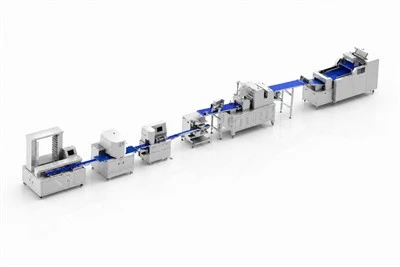
First, let’s get one thing straight: fancy buns aren’t your basic hamburger bun. They need that perfect balance of soft, pillowy crumb (that holds up to fillings like custard or red bean without getting soggy), a crust that looks nice (maybe a light glaze, a sprinkle of edible glitter, or a crumbly topping), and enough structure to move through a production line without falling apart. That means your raw materials can’t just be cheap – they have to play nice with automated mixing, sheeting, proofing, and baking.
Let’s start with the core: flour. This is non-negotiable. Regular all-purpose flour? Pass. It’s too low in protein (usually 10-12%) and won’t give the stretchy, elastic dough you need for shaping decorative swirls or filling. For fancy buns, you want high-protein bread flour – specifically, wheat flour with 12-14% protein. Why? The higher protein means more gluten develops when you mix it, which gives your buns that soft, chewy texture that people crave. I’ve had clients test low-protein flour, and within a week, they were dealing with half their buns deflating right after baking because the gluten couldn’t hold the gas from yeast. Pro tip: look for unbleached, unbromated flour if you’re marketing clean-label buns – that’s a huge selling point for cafes and grocery stores these days. Avoid any flour that has added preservatives; your dough will not proof consistently, which messes with your production line’s cycle times.
Next up: yeast. Fancy buns are all about that light, airy crumb, so you need yeast that’s reliable. Active dry yeast works, but instant yeast is way better for commercial lines. Wait, let me clarify – instant yeast (sometimes called bread machine yeast) is a concentrated, freeze-dried yeast that doesn’t need to be activated in water; you can just mix it straight into your dry ingredients. That cuts down on prep time, which is a big win for high-volume lines. Avoid fresh yeast unless you’re running a super small, artisanal setup – fresh yeast has a short shelf life and can lead to inconsistent rising if you’re not monitoring it closely. Also, go for high-sugar yeast if your buns have sweet fillings or toppings. High-sugar yeast is formulated to thrive in environments with lots of sugar, which is perfect for those matcha custard buns or chocolate-filled varieties. I once had a client use regular instant yeast in a super sweet bun recipe, and their buns barely rose – total waste of time and ingredients. That’s a mistake you don’t want to make on a production line.
Now, fats. This is where you can either make your buns taste amazing or wreck them. For fancy buns, soft fats are key – not melted butter (wait, no, melted butter is fine for finishing, but for dough? Let’s talk in-dough fats). Unsalted butter is the gold standard, but if you’re looking for cost savings, high-ratio shortening works too. Wait, what’s high-ratio shortening? It’s a vegetable-based shortening designed to hold high amounts of sugar and liquid, which is exactly what you need for sweet fancy buns. It keeps the dough soft, extends shelf life, and doesn’t make the buns greasy – something regular shortening does. If you’re making savory fancy buns (like herb or cheese buns), unsalted butter is still better for flavor, but you can use a light vegetable shortening if you’re trying to cut costs. One thing to skip: lard. Lard makes the dough too dense, and it can leave a weird aftertaste in sweet buns. I’ve had buyers ask about lard for a rustic line, but 9 times out of 10, it ends up being a headache because it doesn’t mix evenly in automated mixers.
Sugars and sweeteners. Fancy buns are often sweet, so sugar is a big part of the raw material mix. Granulated white sugar is standard, but for extra flavor, you can use brown sugar for a caramel note, or invert sugar to keep the buns soft longer. Wait, invert sugar is a game-changer for commercial lines – it’s a liquid sweetener made from breaking down sucrose, so it doesn’t crystallize. That means your buns stay moist for 2-3 extra days, which is huge for reducing waste. If you’re doing vegan fancy buns, maple syrup or agave nectar work, but you’ll need to adjust the amount by about 20% because they’re less sweet than granulated sugar. Also, avoid artificial sweeteners if you’re targeting the grocery store or cafe market – most consumers want real sugar in their baked goods. I had a client try stevia-sweetened buns a few years back, and they sold 10% as well as the sugar-sweetened version. It’s just not worth the hit to sales.
Fillings and inclusions. This is where you can get creative, but it’s also where you need to be careful with production line compatibility. For fillings: custard (pastry cream) is great, but you need it to be slightly thick, not runny. Runny filling will leak out when the buns bake, making a mess of your oven. Mochi fillings work, but use pre-made mochi paste, not homemade – homemade mochi is too sticky and can jam your filling extruders. For inclusions: chocolate chips, dried fruit, nuts, or sprinkles. But here’s the catch – use small, uniform inclusions. Big chocolate chunks or large dried fruit pieces can get stuck in your dough sheeters or molders. I always recommend using mini chocolate chips (1cm max) and chopped nuts that are the same size as your inclusion opening. Also, avoid salted inclusions if you’re making sweet buns – too much salt can throw off the flavor balance. If you’re making savory buns, you can add shredded cheese, cooked bacon bits, or herbs, but make sure they’re dry enough so they don’t add extra moisture to the dough. Moisture in the dough leads to uneven baking, which is a nightmare for a high-volume line.
Eggs and dairy. Eggs add richness, color, and structure to fancy buns. For dough, you can use whole eggs, but liquid eggs work better for commercial lines. Liquid eggs are pasteurized, consistent, and easy to pump into automated mixers – no cracking shells, no waste from bad eggs. If you’re making egg-wash for glazing, liquid eggs mixed with a little water are perfect – they spread evenly and give a shiny finish. Dairy: milk, buttermilk, or plant-based milk for vegan buns. Whole milk is best for flavor, but skim milk works too, just don’t expect the same richness. Buttermilk adds a tangy note that pairs great with berry fillings, and it also helps the crust get crispy. For vegan buns, soy milk or oat milk work, but avoid almond milk – it has a strong flavor that can overpower the bun. I once had a client use almond milk for vegan swirl buns, and customers complained about the aftertaste. Stick to soy or oat for a neutral base.
Additives and enhancers. Wait, but let’s be clear – these are optional, but they can make your production line way more efficient. Dough conditioners are not the bad guys here – they’re designed to improve dough handling, increase shelf life, and make the buns rise more evenly. Look for dough conditioners that are clean-label (no “chemical-sounding” names like potassium bromate) if you’re marketing clean products. Ascorbic acid (vitamin C) is another one – it strengthens gluten, so your dough is less likely to tear during shaping. It’s super cheap, and a little goes a long way – I usually tell clients to add about 0.5% of the flour weight. Avoid any additives that are meant for basic bread – fancy buns need milder, more consistent enhancers. Also, if you’re making buns with color (like red velvet or matcha), use natural colorings (beet juice, matcha powder, turmeric) instead of artificial dyes. Artificial dyes can leave a weird aftertaste, and consumers are increasingly avoiding them.
Now, let’s talk about what to avoid at all costs, because I’ve seen these mistakes cost clients thousands of dollars. First, cheap, low-quality flour. I know it’s tempting to cut costs, but it leads to inconsistent dough, more waste, and lower-quality buns. Second, expired yeast. Yeast loses its potency over time, and if you’re using expired yeast, your buns won’t rise, and you’ll have to throw out a whole batch. Third, runny fillings. As I mentioned earlier, runny filling leads to leaks, which mess up your oven and your buns. Fourth, greasy fats. Regular shortening that’s too high in saturated fat can make buns greasy, and it doesn’t mix evenly. Fifth, large inclusions. Anything bigger than 1cm can jam your line, so stick to mini sizes.
Wait, also, a quick note on storage. Your raw materials need to be stored correctly to stay fresh. Flour should be stored in a cool, dry place (not the fridge, unless it’s hot and humid) to prevent mold. Yeast should be stored in the freezer if you’re not using it regularly – it can last up to a year there. Butter and fats should be kept at room temperature, not too cold, so they mix easily into dough. Fillings and inclusions should be refrigerated until you’re ready to use them. If you’re storing raw materials for too long, they’ll lose their flavor, which will show up in your final product.
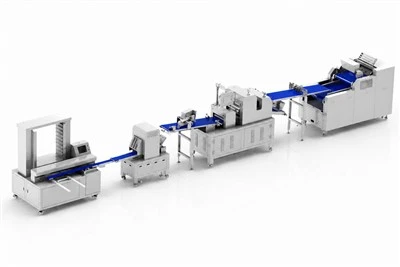
At the end of the day, the right raw materials for your fancy bun production line aren’t just about quality – they’re about compatibility. The best flour in the world won’t work if it doesn’t mix well with your automated mixer, and the best filling won’t work if it leaks all over your oven. That’s why I always recommend testing small batches with potential raw material suppliers before committing to a bulk order. Most suppliers will let you do a test run, and it’s worth the time to make sure everything plays nice with your production line.
Automatic Mochi Production Line If you’re setting up a new fancy bun production line, or you’re looking to upgrade your raw materials to reduce waste and improve your product quality, I’m here to help. I’ve worked with hundreds of bakery owners and food manufacturers to match the right raw materials to their production lines, and I can give you tailored advice based on the specific buns you’re making and the volume you’re running. Don’t waste another batch on bad ingredients – reach out to discuss your needs, and we’ll figure out the perfect setup for your fancy bun line.
References
- American Bakers Association. "Quality Flour Requirements for Specialty Baked Goods." 2022.
- International Yeast Manufacturers Association. "Yeast Selection for Sweet Bakery Products." 2021.
- National Association of Confectioners. "Filling Compatibility for Automated Bakery Lines." 2023.
- Clean Label Project. "Consumer Preferences for Baked Goods Ingredients." 2022.
- Food and Agriculture Organization. "Raw Material Storage Guidelines for Commercial Bakeries." 2021.
Shanghai Longyu Electro-Mechanic Technology Co., Ltd.
Shanghai Longyu Electro-Mechanic Technology Co., Ltd. is one of the most professional fancy bun production line manufacturers and suppliers in China, featured by quality products and good service. Please feel free to wholesale advanced fancy bun production line made in China here from our factory. Also, custom service is available.
Address: No.66, Guangfulin East Road, Zhongshan Subdistrict, Songjiang District, Shanghai, China
E-mail: sales4@longyu-sh.com
WebSite: https://www.longyu-sh.com/
