If you’re here because you’re planning a plumbing, chemical, or industrial project (or just restocking supplies), you’ve probably wondered: What’s the standard size of PPH pipes anyway? As a supplier who’s worked with these pipes for over a decade—helping plumbers, construction crews, and manufacturing teams pick the right fit every day—I get it. The last thing you want is to order pipes that are too small (they’ll clog or underperform) or too big (wasting money on extra material you don’t need). Let’s break this down simply, no fancy jargon, just the real stuff we deal with daily. PPH Pipes
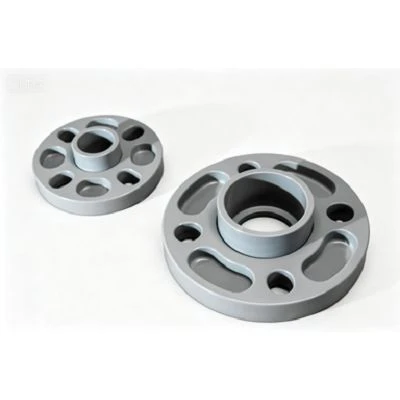
First, let’s start with what PPH pipes even are—just to make sure we’re on the same page. PPH stands for Polypropylene Homopolymer, a tough, heat-resistant plastic that’s way better than regular PVC for hot water, chemical transfer, or outdoor use. Unlike PVC, which gets brittle in cold, PPH holds up to temps from -10°C to 95°C, and it resists most acids, bases, and even mild chemicals—perfect for everything from home hot water lines to industrial chemical piping. Now, size standards for PPH aren’t random; they’re set to make sure every pipe, fitting, and valve works together, no matter who’s manufacturing them. That’s the key: standardization means you can mix our PPH pipes with other reputable brands’ fittings without guesswork.
Let’s get into the actual numbers. Most PPH pipes you’ll find globally follow two main sizing systems: the Metric system (used everywhere except the US, but even in US industrial projects it’s common) and the US-based IPS (Iron Pipe Size) system, though IPS is less common for PPH these days. For metric, the standard nominal sizes (that’s the “size” you’ll hear us reference) start tiny, at 16mm, and go up to 1200mm—yes, 1200mm, that’s a massive pipe for industrial main lines. But wait, just saying 16mm doesn’t tell the whole story, right? Because with plastic pipes, the actual outer diameter (OD) is what fits fittings, not the inner diameter (which changes based on wall thickness). That’s a super common mistake new customers make: ordering a 20mm pipe because they think that’s the inner width, but no, the OD is what matters for connecting.
Let’s list the common, go-to sizes you’ll encounter, broken down by what they’re used for, because size doesn’t exist in a vacuum. For residential hot and cold water lines (the ones in your house or apartment), the standard sizes are 16mm, 20mm, and 25mm. 16mm is for small, low-flow lines like faucet leads or toilet supplies—perfect for when you don’t need a lot of water pressure. 20mm is the workhorse for most residential main lines: it’s big enough to supply a kitchen, two bathrooms, and a laundry without losing pressure, and it’s easy to work with for plumbers. 25mm is for larger homes or multi-unit buildings, where you need more volume to go around. That’s 100% what we ship to residential construction crews 80% of the time.
If you’re dealing with commercial or light industrial projects, you’ll jump up to 32mm, 40mm, 50mm, and 63mm. 32mm is for small commercial spaces like cafes or small offices—they need to handle more dishwashing machines or multiple restrooms, so 32mm is just right. 40mm and 50mm are for building main lines, like feeding a whole office tower’s plumbing system, or transferring non-corrosive chemicals in a small lab. 63mm is the threshold for medium industrial: think water supply for a small factory, or condensate lines for HVAC systems. We stock these sizes in both pressure ratings too—important: PPH pipes have pressure grades, like PN10 and PN16. PN10 is for low-pressure hot water (up to 10 bar, that’s ~145 psi) and PN16 is for high-pressure industrial use (16 bar, ~232 psi). So a 20mm PN10 pipe is way different from a 20mm PN16, even if they’re the same size, which is why we always ask customers what pressure they’re working with when they ask for a standard size.
Now, for heavy industrial applications—think chemical plants, mining operations, or large municipal water lines—we go way bigger, from 75mm up to 1200mm. These are nominal sizes, so the OD is a bit different, like 75mm nominal is actually 75mm OD, 110mm nominal is 110mm OD, right up to 1200mm. These large PPH pipes are used for moving corrosive chemicals (like fertilizers or cleaning agents) that would eat through steel pipes, so their size is non-negotiable: municipal water mains need 300mm to 600mm for whole neighborhoods, and chemical process lines might use 900mm or 1000mm for bulk transfers. These are less common for small projects, but we keep them in stock too because we work with a lot of industrial clients.
Wait, a quick note on the sizing confusion: some suppliers might list “nominal diameter” instead of OD, but with PPH, nominal diameter is almost always the same as the outer diameter, unlike steel pipes where nominal is just a name. That’s a relief, no weird math here. For example, a 20mm nominal PPH pipe has a 20mm OD, so a 20mm fitting will slip right over it—no measuring twice, cutting once, wasting time. That’s why we emphasize sticking to nominal sizes when ordering; avoid any random “custom” sizes unless your project has a specific, documented need, because custom fittings cost way more and take forever to ship.
Now, let’s talk about why standard sizes matter for you, the customer. If you’re a plumber, using standard sizes means you can grab fittings from any hardware store or supplier, no waiting for special parts. If you’re a project manager, standard sizes mean you can order bulk and get discounts, and replacements are easy if a pipe breaks. I’ve seen clients waste thousands of dollars because they ordered a non-standard size, had to wait 6 weeks for a custom fitting, and fell behind on their timeline. It’s just not worth it.
What if your project doesn’t fit the “standard” sizes we talked about? No problem—we work with custom orders, but only when you can prove you need it (like a unique industrial process with specific flow requirements). But 9 times out of 10, standard sizes are all you need, and we can help you pick the right one just by asking a few quick questions: what’s the application (residential, industrial, chemical)? What’s the maximum pressure? What’s the total length of the line? That’s all we need to narrow it down.
Let’s also clear up a myth: some people think bigger is always better. But a 50mm pipe for a small residential line would be overkill—it’s heavier, more expensive, and you’ll have extra water sitting in the pipe, which can lead to stagnation. For example, a 20mm pipe has enough flow for a standard showerhead, but a 25mm would be fine too, but the cost difference is noticeable on a 100m run. We always advise customers to size just enough for their needs, not too much or too little.
As a supplier, we’ve seen every size fail: a 16mm pipe used for a whole house, which clogged after a year because it couldn’t handle the water volume; a 110mm pipe used for a small HVAC line, which was way too heavy and hard to install. That’s why we’re big on knowing the standard sizes and their uses. We don’t just sell pipes—we help you pick the right ones, so your project goes smoothly.
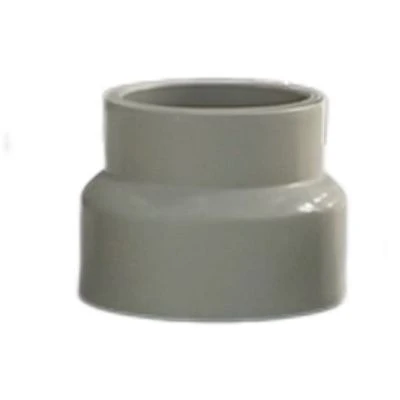
If you’re gearing up for a project, or you need to restock PPH pipes for upcoming jobs, don’t stress over the size. We can walk you through it: just tell us what you’re working on, and we’ll confirm the standard size that fits your requirements, no guesswork, no hidden fees. Just reach out to our team to connect for a procurement chat—we’re here to make sure you get the right pipes the first time, no mistakes.
PPH Pipes References
- International Organization for Standardization. ISO 15493:2017, Plastics piping systems for hot and cold water installations — Polypropylene (PP) pipes and fittings.
- American Society of Mechanical Engineers. ASME B31.9:2017, Building Services Piping.
- Plastics Pipe Institute. PPH Pipe Design and Installation Guidelines, 2022 Edition.
- European Committee for Standardization. EN 12201:2011, Plastics piping systems for water supply — Polyethylene (PE) and polypropylene (PP) pipes and fittings.
Anhui Weidong Pipeline Technology Co., Ltd.
As one of the most professional PPH pipes manufacturers and suppliers in China, we have world-leading production equipment and strong manufacturing capabilities. Please feel free to buy high quality PPH pipes at competitive price from our factory. Welcome to contact us for quotation.
Address: No. 35 Hongyuan Avenue, Economic Development Zone, Huoshan County, Lu’an City, Anhui Province
E-mail: 18056040225@163.com
WebSite: https://www.wdpipe.com/
