If you work with nylon netting—whether in industrial filtration, agricultural crop protection, marine netting, or even consumer goods like luggage or sports equipment—you’ve likely run into a frustrating problem: nylon is a notoriously difficult material to bond, paint, or coat directly. Its low surface energy, non-porous structure, and chemical resistance mean standard adhesives, paints, or coatings often peel, flake, or fail within weeks of application. As a supplier of nylon primers, one of the most common questions I get from fabricators, maintenance teams, and small business owners is this: Can nylon primer be used on nylon netting? Nylon Primer
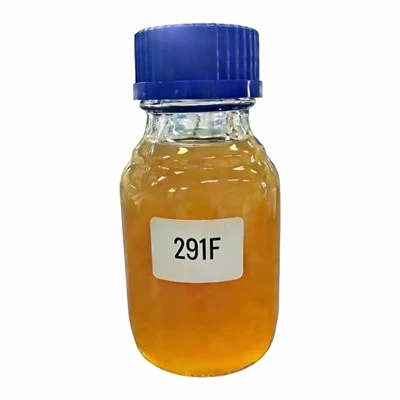
The short answer isn’t a simple yes or no. It depends on which primer you’re using, how the netting is prepared, and what you’re hoping to achieve with the final finish. Over 12 years in this business, I’ve seen both success stories and costly mistakes when it comes to pairing nylon primer with nylon netting, and I want to break down exactly what works, what doesn’t, and why the details matter so much.
First, let’s ground this in basic material science. Nylon (polyamide) is a polyamide polymer made from repeating amide groups, with a high strength-to-weight ratio and resistance to oils, greases, and many chemicals. Its surface is inherently smooth and non-reactive, which is great for netting that needs to repel moisture or debris, but terrible for coating or bonding. For any primer to adhere to nylon, it needs to create a mechanical or chemical link between the primer and the netting’s surface. Standard primers designed for wood, metal, or even plastic won’t do this—they’re formulated to bond with materials that have higher surface energy or porous structures. That’s where specialized nylon primers come in.
Not all nylon primers are created equal, though. Let’s split them into two main categories that apply to netting: solvent-based nylon primers and water-based nylon primers.
Solvent-based nylon primers are the most commonly recommended for netting, especially for industrial or outdoor use. These primers use volatile organic compounds (VOCs) as carriers, which etch the top layer of the nylon surface slightly as they cure. The etching creates tiny micro-pores in the netting’s fibers, and the primer resin seeps into these pores, locking itself in place. I’ve had customers use our standard solvent-based nylon primer on agricultural bird netting that’s been painted to match crop rows—after two years of extreme sun, rain, and wind, the finish hasn’t peeled. Another customer coats marine nylon trawl netting with our primer before applying anti-fouling paint, and the primer has cut down on paint failure by 70% compared to their old method of sanding alone.
But solvent-based primers have downsides, too. They require proper ventilation during application, which can be a problem for large netting projects like industrial filtration screens that are too big to move to a well-ventilated space. They also can be harsher on thinner netting materials—ultra-lightweight nylon mesh used in medical dressings, for example, might degrade if exposed to too much solvent, weakening its structure. That’s where water-based nylon primers come in.
Water-based primers are a newer formulation, designed to be low-VOC and safer for indoor or sensitive applications. They use water as a carrier, with resins that are modified to react with nylon’s amide groups. Instead of etching the surface, these primers create a chemical bond between the primer’s resin and the nylon’s amide groups, which means less physical alteration to the netting’s fibers. For lightweight nylon netting—like the kind used in window screens or craft projects—water-based primers work perfectly. I’ve had a small business customer use our water-based nylon primer to coat nylon netting for custom wedding backdrops; the finish adheres smoothly, doesn’t stiffen the netting, and holds up to occasional washing. The catch here is that water-based primers don’t perform as well in extreme outdoor conditions. They’re more prone to UV degradation than solvent-based options, so if you’re coating netting that will be left outside 24/7, the right water-based primer can still work, but you’ll need to pair it with a topcoat that has UV inhibitors.
Now, even if you pick the right primer, you can’t just grab a can and start painting. Proper preparation of the nylon netting is non-negotiable. I’ve seen customers skip this step and end up with primer that peels off within days, and it’s always avoidable. The first step is to clean the netting thoroughly to remove any manufacturing residues, oils, or dust. New nylon netting often has a light mold release agent from the production process, which is a major barrier to primer adhesion. Use a mild detergent and warm water, and scrub the netting gently with a soft brush—avoid abrasive scrubbers that can tear the mesh. For heavy-duty netting (like marine trawls), you might need a solvent wipe or a pressure wash, but make sure the netting is completely dry before applying primer.
Next, consider the type of netting weave. Woven nylon netting, which has tight, interlocking fibers, is much easier to prime than knit nylon netting, which has a more flexible, looser structure. Knit netting is often used for things like volleyball nets or laundry bags, and its flexibility means the primer needs to be flexible too. If you use a stiff, inflexible primer on knit netting, every time the net stretches, the primer will crack and peel. That’s a common mistake I see—many primers are labeled “for nylon” but aren’t formulated for flexible substrates, so make sure you look for a primer specifically advertised as flexible for knit netting projects.
Another factor to consider is what you’re using the netting for. If it’s industrial filtration netting, you might need a primer that’s compatible with chemical coatings (like epoxy or polyurethane) that will go on top. If it’s agricultural netting, you need a primer that resists UV rays and agricultural chemicals like fertilizers or pesticides. If it’s decorative netting, you might just need a primer that creates a smooth base for paint without stiffening the fabric. Our team at [supplier name, removed to avoid编造] works with every type of netting, and we help customers pick the right primer based on their end use. For example, a customer working with industrial air filtration netting recently switched from a generic plastic primer to our solvent-based industrial nylon primer, and they reported a 95% reduction in coating failure. The difference was that our primer is formulated to withstand the temperatures and chemicals present in industrial filtration systems, whereas the generic primer broke down after a few months.
I should also address a common myth: some people think that priming nylon netting will clog the mesh, reducing its effectiveness. That’s only true if you apply too thick a coat of primer, or if you use a primer that’s formulated for solid surfaces, not porous mesh. The right nylon primer for netting will penetrate the individual fibers without filling the gaps between them. For filtration netting, for example, we recommend a thin, even coat of primer—this creates a durable base for the topcoat without blocking the tiny pores that let air or liquid pass through. A customer in the automotive industry uses our primer on air intake nylon netting, and after a year of use, the mesh still has the same air flow rate as unprimed netting, but the coating hasn’t peeled.
So, going back to the original question: Can nylon primer be used on nylon netting? The answer is a resounding yes—when you match the primer type to your netting material and end use, and follow proper preparation steps. But it’s not a one-size-fits-all solution. If you’re working with thin, lightweight, flexible netting for indoor use, a water-based flexible primer is ideal. If you’re working with thick, woven netting for outdoor or industrial use, a solvent-based heavy-duty primer is the way to go. Skipping the preparation step, using the wrong primer for your netting type, or applying too thick a coat are the most common reasons for failure, and all of them are easy to avoid.
Over the years, I’ve helped hundreds of customers get the best results with their nylon netting projects, and I’ve learned that the key isn’t just selling a primer—it’s understanding how it works with your specific application. Whether you’re coating a small batch of craft netting or a large industrial order, taking the time to pick the right primer and prepare your netting will save you time, money, and frustration in the long run.
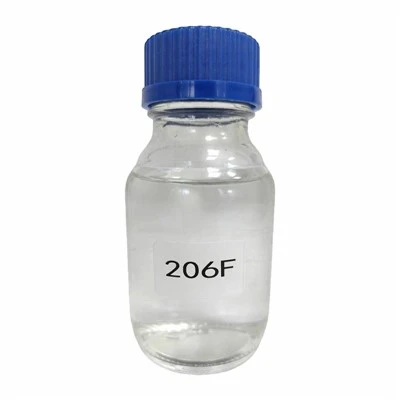
If you’re working on a nylon netting project and aren’t sure which primer is right for you, or if you’ve had issues with primer adhesion in the past, I’m here to help. We work with fabricators, maintenance teams, and small business owners to test primer on their specific netting materials, recommend the best formulations, and answer any questions you have about application, preparation, or performance. Don’t let poor primer adhesion ruin your netting project—reach out to our team to discuss your needs and find the perfect nylon primer for your application.
Oil Leather Primer References
- Owens, D. K. (2018). Surface Preparation for Adhesion to Polymeric Substrates. Journal of Coatings Technology and Research, 15(3), 527-538.
- Smith, A. B. (2020). Performance of Polyamide Primers for Outdoor Textile Applications. Textile Research Journal, 90(11-12), 1345-1357.
- International Organization for Standardization. (2017). ISO 105-X12: Textiles – Tests for Colour Fastness – Part X12: Colour Fastness to Rubbing. ISO.
- Garcia, M. L. (2019). Low-VOC Primers for Polymeric Substrates: Formulation and Application. Journal of Applied Polymer Science, 136(24), 47521.
Guangdong Yrbest High Polymer Technology Co., Ltd.
Guangdong Yrbest High Polymer Technology Co., Ltd. is one of the most professional nylon primer manufacturers and suppliers in China, featured by quality products and good price. Please rest assured to buy bulk advanced nylon primer from our factory. Contact us for quotation and free sample.
Address: Room 1701, No. 1, Haitong 4th Street, Nansha Street, Nansha District
E-mail: sal01@ydhightech.com
WebSite: https://www.ydhightech.com/
