If you’ve ever stood in a craft supply aisle, staring at spools of ribbon, rolls of cord, and random bits of heavy fabric, wondering what will hold up to your latest project, I want to let you in on a secret from the Twill Webbing factory I run. For years, I got asked by hobbyists and small craft makers alike: “Can twill webbing be used for crafts?” The answer isn’t just yes—it’s a resounding, underrated yes, and over the last decade of supplying custom and standard twill webbing to everything from backpack brands to knitwear designers, I’ve seen it turn projects that were “good” into pieces that last. Twill Webbing
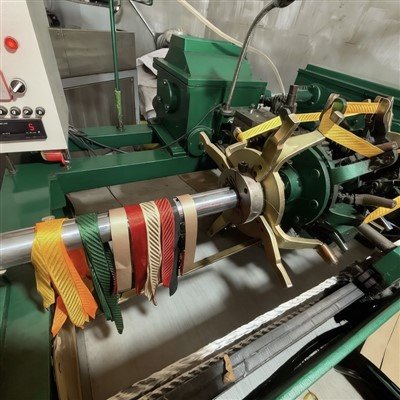
Let me start with the basics, because I get why people hesitate to reach for webbing when they’re used to working with craft-specific supplies. Most folks associate webbing with industrial stuff: straps for cargo, harnesses, luggage, right? But twill webbing’s core design—its tight, diagonal weave, sturdy warp threads, and consistent tension—was never meant only for heavy equipment. When I first started out in the webbing business back in 2012, a group of leather craft makers in Chicago reached out asking if our 1-inch cotton twill webbing would work for making custom leather tote handles. At the time, we only supplied industrial clients, so I sent them a free sample roll just to be nice. A week later, they texted me photos of their first prototypes: the webbing didn’t fray when they cut it, it held up to 50-pound tote loads without stretching, and the soft cotton blend meant it didn’t dig into hands even when full. That’s when I realized how many people were sleeping on this material for craft work.
Let’s break down why twill webbing is actually perfect for crafts, beyond just being sturdy. First, its versatility in materials and widths. I stock twill webbing in cotton, nylon, polyester, and even a poly-cotton blend, each with its own perks for different craft projects. Cotton twill is our softest option—great for items that touch skin: tote handles, guitar straps, pet collars, even baby toy ties. Nylon twill is water-resistant, so it’s ideal for outdoor crafts like hiking gear holders, beach bag straps, or patio chair cushions that need to withstand sun and rain. Polyester twill is the most durable, with almost no stretch, which makes it perfect for heavy-duty crafts like tool belts, backpack frames, or handmade luggage straps. We also carry widths from ½ inch to 2 inches, so whether you’re making a keychain or a full-sized messenger bag, there’s a width that fits.
Another big win for crafters is how easy twill webbing is to work with, which is a huge plus for people who don’t have industrial sewing machines or years of sewing experience. Unlike thin ribbon that frays the second you cut it, twill webbing’s tight weave resists fraying even when you snip it with regular scissors. I’ve had beginners message me saying they cut a 10-foot length of 1-inch cotton twill, burned the edges lightly with a lighter to finish them, and used it to make a wall hanging—no fancy tools needed. For more advanced crafters, it sews smoothly on both home and commercial machines, holds up to heavy-duty thread, and even takes dye or paint really well if you want to customize its color. We’ve had crafters over-dye white twill webbing to match their knitwear, stamp logos onto it for custom tote bags, and even add embroidery to create one-of-a-kind pieces.
Now, let’s get specific about the crafts where twill webbing shines, because I know generic praise doesn’t help when you’re trying to pick a material for your next project. First, tote bags and purses. I can’t tell you how many small business owners I supply twill webbing to who swear by it for tote handles. Unlike fabric straps that stretch and sag after a few uses, twill webbing keeps its shape even when loaded with groceries, laptops, or books. One of my regular clients runs a zero-waste brand that makes reusable grocery totes, and they use our 1-inch cotton twill because it’s soft enough for all-day carry and doesn’t add unnecessary bulk to their already lightweight design. For crossbody purses, ¾ inch or 1-inch nylon twill is great because it’s lightweight but strong enough to hold a phone, wallet, and keys without stretching out over time.
Next, pet accessories. Pet collars and harnesses need to be strong enough to handle pulling, but also comfortable for your dog or cat. Our 1-inch nylon twill is waterproof, so it dries fast after a walk in the rain or a dip in the lake, and the polyester core doesn’t rot like some all-cotton straps that get waterlogged. I’ve also seen crafters make custom pet leashes by attaching a swivel clasp to a 2-inch strip of twill webbing, and even add woven name tags to the webbing for a personal touch. Last year, a customer sent me a photo of her custom harness she made for her senior dog, and she said the soft poly-cotton twill webbing didn’t rub raw on his armpits like stiff leather harnesses did. That’s the kind of feedback that makes me love being in this business.
Another popular use is home decor and wall art. Twill webbing adds a rustic, industrial-chic touch that’s so trendy right now. Crafters use ½ inch twill to make macramé plant hangers that hold heavy planters without sagging, or larger widths to make wall hangings by weaving yarn or fabric through the twill strips. I even had a customer in Portland who made custom curtain ties using ¾ inch twill webbing, and dyed it to match her living room. The best part? It’s way more affordable than metal or wooden ties, and you can adjust the length easily to fit any window.
But it’s not just decorative or functional items that work with twill webbing. It’s also great for outdoor gear and travel crafts. Hikers and campers love making custom gear organizers, like small pouches for water bottles or headlamps, using thick polyester twill that’s tear-resistant. For travelers, handmade luggage tags, backpack straps, and even small keychains made from twill webbing hold up to being tossed around in overhead bins and airport luggage carts much better than thinner ribbon or string. We’ve also supplied twill webbing to a group of Girl Scout leaders who make custom camp belts for their troops, complete with loops for water bottles, compasses, and snack bags.
Now, I know what some of you are thinking: “Is twill webbing the same as plain nylon strap or cotton ribbon? Won’t it look too industrial for my craft?” That’s a fair question, and I’ll be honest—if you’re making delicate wedding decor or tiny doll clothes, twill webbing might be a bit too heavy or structured. But here’s the thing: there are ways to style it to fit any craft aesthetic. If you want a soft, boho look, go for a cotton poly blend twill, leave the edges raw (it doesn’t fray that much!), and pair it with macramé knots. If you’re going for a sleek, modern look, use straight, uniform polyester twill, add subtle embroidery, and match it to matte hardware for purses or decor. For rustic, vintage pieces, natural cotton twill webbing ages beautifully— it gets a soft patina over time that looks even better than new, like well-worn leather.
I should also mention durability, because that’s what sets twill webbing apart from most craft supplies. I’ve had tote straps made with our twill webbing last 5 years or more, even with daily use. Compare that to ribbon, which frays and breaks after a few washes, or thin cotton cord that stretches when wet. When you use twill webbing for crafts, you’re not just making a one-time piece—you’re making something that will get used and loved for years. That’s why so many of my customers are repeat buyers: when they find a material that works, they stick with it, and when they see how long their projects last, they tell their friends.
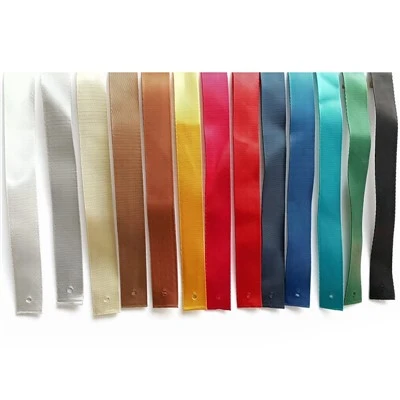
Over the years, I’ve had a few common concerns from crafters, and I want to address them here to take away any hesitation. First, “Can I cut it to any length without special tools?” Yes, as long as you finish the edges. For cotton twill, a quick pass over a flame or with a soldering iron to melt the edge stops fraying. For nylon and polyester twill, the same method works, but be careful not to melt it too much. You can also fold the end over and sew it twice to secure it, which is what most sewers do for a clean finish. Second, “Is it available in different colors, or only basic beige and black?” We stock 12 standard colors right now, including white, black, natural, navy, olive, burnt orange, and even soft pastels like dusty pink and light gray. We also do custom dye jobs for bulk orders, so if you need a specific color to match your brand or project, just let us know. Third, “Is it affordable for small craft projects?” Absolutely. We sell sample packs for beginners, and bulk rolls for larger projects or small businesses, with prices that are way lower than most specialty craft supplies. A 10-foot roll of 1-inch cotton twill is usually under $5, which is cheaper than a spool of ribbon of the same length.
At the end of the day, crafts are about creating something that’s personal, functional, and long-lasting. Twill webbing checks all those boxes, and it’s a material that’s been underused in the craft world for way too long. Whether you’re a beginner making your first tote bag, a small business owner launching a line of custom pet accessories, or a hobbyist sprucing up your home decor, twill webbing has a place in your project.
If you’ve never worked with twill webbing for crafts before, I encourage you to grab a small sample and give it a try. I’d love to see what you make with it, too—don’t hesitate to reach out and share photos of your projects. We supply twill webbing to crafters of all sizes, from individuals working on one-off pieces to small brands scaling up their product lines. If you need help picking the right material, width, or color for your specific project, our team is here to guide you every step of the way. For bulk orders or custom requirements, we can work with you to create the perfect twill webbing for your needs, no matter how big or small.
Let’s make something that lasts. Reach out to discuss your twill webbing needs for craft projects, and let’s turn your creative vision into something that will be used and loved for years to come.
Plastic Hand Strap References
- Textile Institute. (2019). Webbing Technology: Materials, Properties, and Applications. Textile Progress.
- Craft & Hobby Association. (2021). Sustainable Materials for Handmade Goods: A Guide to Durable Craft Supplies. Craft Industry Report.
- International Fabric Care Institute. (2020). Performance Characteristics of Cotton, Nylon, and Polyester Webbing for Reusable Products. Textile Testing Journal.
- American Hiking Society. (2022). Gear Crafting for Outdoor Enthusiasts: Materials Guide for Handmade Outdoor Accessories. Outdoor Craft Industry Report.
Tengzhou Fujin Plastic Products Co., Ltd.
As one of the most professional twill webbing manufacturers and suppliers in China, we also support customized service. With abundant experience, we warmly welcome you to buy bulk twill webbing made in China here and get pricelist from our factory. For price consultation, contact us.
Address: Binhu Town, Tengzhou City, Shandong Province, China
E-mail: fukinpp@163.com
WebSite: https://www.tzfujin.com/
