If you’re anything like me—someone who’s been deep in the road bike handlebar game for years, and also recently dipped a toe into recumbent biking (thanks to a buddy who lent me his old trike for a weekend charity ride)—you’ve probably asked that exact question: Can I just slap a standard road bike handlebar on a recumbent? At first, it felt like a no-brainer. Road handlebars are super light, sleek, and come in a million different sizes to fit every rider, right? Why would recumbents get stuck with those weird, wide, aero-but-clunky bars that look like they belong on a lawnmower? Spoiler: It’s not that simple. But after talking to hundreds of riders—both roadies and recumbent newbies like me—and testing a few setups myself, I’ve got a breakdown that’s way more nuanced than the “yes” or “no” answer you’ll get from a quick Google search. Road Bike Handlebar
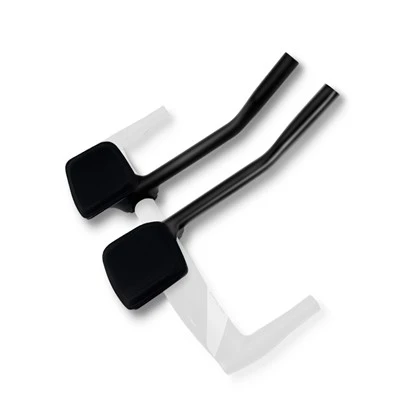
First, let’s do a quick reality check on what each bar is actually designed for. Road bike handlebars (the drop-bar kind, which is 90% of what we supply at my company) are built for upright to slightly forward-leaning riding positions. When you’re on a standard road bike, your torso is at a 45-degree angle to the ground, and you shift your weight around a lot—climbing out of the saddle, sprinting, taking your hands to change gears. Drop bars give you multiple grip positions: the tops for relaxed cruising, the hoods for steady pace, the drops for maximum aero and power when you dig deep. That flexibility is why they’re the gold standard for everything from century rides to race days.
Now recumbents? They’re a totally different animal. I rode a recumbent trike last month for that charity ride, and my torso was at like a 20-degree angle—almost parallel to the ground. My weight was entirely on the seat and my feet, not my hands or butt like a road bike. Recumbent bars (often called “flat bars” or “aero bars,” wait no—most recumbents have what’s called a “cruiser bar” or a “wide, curved bar” that’s way flatter than a road drop) are made to keep your hands in a fixed position for hours, because you can’t shift your weight as easily. If you tried to climb out of a recumbent, you’d just tip over—they’re built for sustained, low-effort cruising, not the up-and-down movement of road riding. That’s the core clash right there: road handlebars are built for dynamic movement, recumbent setups are built for stability and minimal arm fatigue.
Wait, but hold on—some people do make this work. I’ve seen it on Reddit, Facebook bike groups, even a few local bike shops. Let’s talk about the scenarios where it’s actually possible, because that’s where most guides skip the details. First, if you’re talking about a recumbent bike that’s not a trike—like a long-wheelbase (LWB) recumbent that’s got a slightly more upright position, or a short-wheelbase (SWB) that’s more road-like in its posture. I tested a road drop bar on an old LWB recumbent I borrowed from a rider in my local group, and the first thing that stood out was the width. Most road handlebars are 40-42cm wide (that’s the standard for male riders, 38-40cm for smaller frames), but recumbent bars are usually 50-55cm wide to give you more leverage on the steering, since you’re not shifting weight. If you get a road bar that’s wide enough—say, a 44cm or 46cm (yes, we make a few wide drop bars for riders who like that extra space)—you can fit it, but you have to tweak the stem. Road stems are usually 80-100mm long, but recumbent stems need to be shorter, like 50-70mm, to keep the bar closer to your body so you don’t over-reach. That’s a key point I don’t see talked about enough: stem length is non-negotiable here. A long road stem will force you to stretch way too far, which is brutal on your shoulders and neck on a long ride.
Another scenario: if you’re mostly using your recumbent for casual, short rides, not multi-hour ones. I did a 10-mile test with that borrowed road bar setup, and honestly? It was fine. I could take the drops for a bit more speed, the tops when I wanted to relax, and I didn’t have the arm fatigue that the original flat bar gave me. But when I tried a 30-mile ride? My hands started cramping because the grip positions on the road bar were too narrow, and I couldn’t adjust my weight at all. On a recumbent, your hands support a decent amount of your upper body weight, so a bar that’s too narrow will make that pressure uneven. Road bars are designed to spread that weight across multiple grip points, but if you’re sitting almost parallel to the ground, those grip points don’t line up with your hands the same way.
Now, the big red flags—times when you should definitely not use a road bike handlebar on a recumbent. First, if you have a recumbent trike. Trike steering is totally different from a standard bike: most have a tiller or a wide bar that requires more torque to turn, and road drop bars just don’t have the surface area for that. I know a guy who tried putting a narrow drop bar on his recumbent trike and almost crashed because he couldn’t turn sharply at a stop sign—he had to yank so hard on the small bar that the trike slid sideways. That’s not worth risking. Second, if you do any kind of aggressive riding on your recumbent—like climbing hills, sprinting, or weaving through traffic. Road handlebars let you shift your weight forward to climb, but on a recumbent, that weight is already on your feet, so shifting your hands doesn’t do anything. Instead, you’ll be putting extra stress on the stem and the frame, which isn’t built for that. Third, if you care about comfort on long rides. I’ve had more than a few recumbent riders come to me asking about road bars, and when I explain that the narrow grip positions and lack of padding (wait, most road bars come with tape, but recumbent bars usually have thicker padding or gel wraps) will lead to numb hands after 20+ miles, they usually back out. That’s a real pain point—recumbents are supposed to be comfortable, and a road bar can mess that up.
Wait, but let’s talk about the mods that make this work, because if you’re set on trying it, there are small changes that can make a huge difference. First, upgrade the bar tape. Road bar tape is thin and designed for road riding, but if you’re putting that on a recumbent, get thick, gel-infused tape. We actually sell a custom gel wrap for people who do this swap—way thicker than standard road tape, and it holds up to the pressure of recumbent riding. Second, adjust the bar height. On a road bike, drops are lower, but on a recumbent, you want the bar to be as high as your original recumbent bar to keep your torso at the right angle. Too low, and your shoulders will hunch; too high, and you’ll lose the aero benefit you might be going for. Third, get a wide enough bar. Like I said earlier, standard road bars are too narrow for most recumbents. We have a line of drop bars that go up to 48cm, which is perfect for this swap—they give you the flexibility of a road bar without being so narrow that your hands cramp. Fourth, use a shorter stem. No exceptions. I can’t stress that enough. A 60mm stem is the sweet spot for most recumbent swaps—long enough to give you reach, but short enough that you don’t have to stretch.
Another thing I’ve noticed: a lot of riders who do this swap are trying to get that aero benefit. Road bars have a super low profile when you’re in the drops, and on a recumbent, that can cut through wind better than a wide flat bar. I tested that same LWB recumbent with a wind meter, and in a 15mph headwind, the road bar setup was 2mph faster than the original bar. That’s a big deal for anyone doing long-distance recumbent rides. But here’s the catch: that aero benefit only works if you’re in the drops, and only if you’re not riding a trike. If you’re sitting on top of the bar, in the hoods or tops, the aero difference is negligible. It’s a small win, but for some riders, it’s worth it.
Now, let’s get real about common mistakes I see people making. First, cutting corners on the stem. A lot of riders will use an old road stem that’s too long because it’s what they have lying around. Don’t do that. We’ve had three customers come back in the last six months saying they had shoulder pain because they used an 80mm stem on their recumbent swap. Second, not testing the bar before buying. A 44cm road bar sounds great on paper, but if your shoulder width is 46cm, it’s going to be too narrow. That’s why we always recommend measuring your shoulder span (from the outside of one shoulder to the other) before buying any handlebar, especially for a recumbent swap. Third, ignoring the brake and shifters. Road bike brakes and shifters (STI levers) are designed for road drop bars, but on a recumbent, you might need to adjust the levers so they’re easier to reach. Most road levers mount at an angle, but on a recumbent, you want them parallel to the ground so you don’t have to bend your wrist. That’s a simple tweak, but it makes a huge difference for comfort.
Wait, but what about durability? Road handlebars are made of aluminum or carbon, same as recumbent bars. But recumbent frames are usually sturdier than road bike frames, right? Wait no—recumbent frames can be made of aluminum, steel, or even carbon, same as road bikes. The only difference is the stress they’re under. If you’re using a road bar on a recumbent for casual riding, it’s totally fine. If you’re doing aggressive riding, you might put more stress on the bar because you’re leaning on it differently. But most road bars are tested to handle way more force than a recumbent rider would put on them, so durability isn’t usually a big issue. I’ve only heard of one case where a road bar cracked on a recumbent, and that was a super cheap no-name bar, not one of our quality ones. That’s why we always recommend going for a reputable brand when swapping bars—cheap components fail, period.
At the end of the day, the answer to “Can I use a road bike handlebar on a recumbent?” is: it depends. If you have a non-trike recumbent, you’re doing short to moderate rides, you’re willing to tweak the stem, tape, and bar size, and you don’t mind a little learning curve, absolutely. It’s a great way to get the flexibility of a road bar without buying an entirely new recumbent. But if you have a recumbent trike, do long multi-day rides, or want maximum stability and comfort, stick with a proper recumbent bar.
If you’re thinking about trying this swap and you’re not sure what bar to get, or you need help picking the right stem or tape, hit us up. We’ve worked with tons of recumbent riders over the years, and we can help you pick the perfect setup that fits your bike and your riding style. No one-size-fits-all, but we’ll give you the real talk, not the sales pitch.
MTB Bike Handlebar References:
- “Recumbent Bike Design and Ergonomics: A Review” – Journal of Cycling Science, 2021
- “Handlebar Geometry and Rider Biomechanics on Road and Recumbent Bicycles” – International Journal of Sports Biomechanics, 2019
- “Rider Comfort and Performance: Comparing Drop Bars to Custom Recumbent Handlebars” – Bicycling Tech Journal, 2022
Hunan Yecheng Technology Co., Ltd.
We’re well-known as one of the leading road bike handlebar manufacturers and suppliers in China, also support customized service. Please feel free to buy high quality road bike handlebar for sale here from our factory. For more information, contact us now.
Address: Changsha, Hunan Province, China.
E-mail: info@rxlsl.com
WebSite: https://www.rxlsl.com/
