Alright, let’s cut through the chaos of plumbing projects—especially when it comes to picking PPR fittings, because we all know grabbing any random elbow or tee from the hardware bin never ends well. I’m not here to give you a textbook speech; I’ve been on both sides of this: I’m a PPR fittings supplier, and I’ve seen way too many contractors and DIYers mess up a job because they skipped the basics. So let’s talk real, no fancy jargon, just what actually works when you’re sizing up your project. PPR Fittings
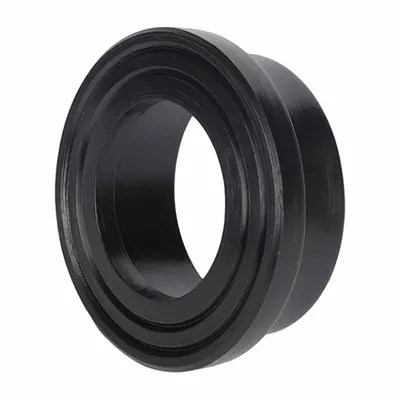
First off, let’s get one thing straight: PPR isn’t just some plastic pipe—well, it is, but it’s specific plastic that stands for polypropylene random copolymer. The fittings aren’t one-size-fits-all, even if every store’s got a rack that looks identical. I once got a frantic call from a contractor last year who installed a whole under-sink setup with the wrong coupler; it split open under pressure at 2 a.m. on a Saturday, and he had to rip out half a kitchen to fix it. That’s the stuff we don’t want to happen to you. So step one: stop ignoring the basics of your project first, before even looking at fittings.
Let’s start with the core project factors you can’t skip. First, what’s the pipe size? Wait, not just the nominal size like ½” or ¾”—you need to match the outer diameter, too. PPR pipes have standard ODs: 20mm, 25mm, 32mm are the most common for residential stuff. If your pipe is 20mm, a 20mm fitting won’t lock right, no matter what the label says. I’ve had a few DIYers come in with a pipe they bought off a random site, saying “it’s ½” so it should fit” and nope, that’s a different OD. Double-check the pipe’s markings—most PPR pipes have the OD printed right on them, along with their pressure rating. Speaking of pressure, that’s the next big one. What’s the working pressure of your system? If it’s a main water line or a washing machine supply, that’s way higher than a bathroom sink. PPR fittings are rated by bar (that’s the pressure unit used in plumbing, not PSI, don’t mix those up) — usually 12.5 bar, 16 bar, or 20 bar. If you’re using them for a high-pressure line, grabbing a 12.5 bar fitting is a disaster waiting to happen. I always tell people: go one rating higher if you’re not 100% sure. Cheaper than redoing a whole line.
Then there’s the environment. Are you installing this inside or outside? If it’s outside, you need fittings that are UV-resistant. Regular PPR breaks down in sunlight after a few years—we had a customer who put a garden hose tap with a standard fitting, and by the next summer it was brittle and cracked. UV-stabilized PPR fittings have a different color, usually black or dark gray, instead of the white or gray of standard indoor ones. Also, what’s the water temperature? Hot water lines aren’t the same as cold. PPR can handle up to like 95°C, but if it’s a water heater line, you need fittings rated for hot temp, not the generic ones. Those generic ones might warp over time, leading to leaks.
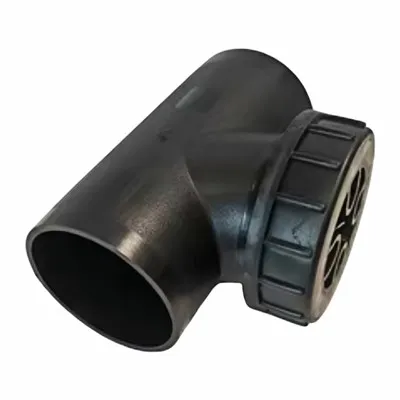
Okay, now that you’ve got your project basics down, let’s talk about the type of fitting. This is where most people just grab whatever shape looks right, but each fitting is for a specific job. Let’s break down the most common ones so you don’t waste time. First, elbows. You’ve got 90-degree elbows and 45-degree elbows. Why does the angle matter? If you’re turning a sharp corner under a sink, a 90 works, but if you’re running a pipe along a wall and need a gradual turn to avoid kinking, a 45 is better. Also, there are regular elbows and reducing elbows—wait, no, wait, that’s tees, actually. Wait, tees: straight tees are for when all three pipes are the same size, but reducing tees are when you have one branch that’s smaller than the main line. Like, if your main pipe is 25mm going into a wall, and you need a 20mm pipe coming off for the toilet, a reducing tee is what you need. A straight tee would leave a gap or force the wrong size, no good.
Then there are couplers—straight pieces that connect two pipes end to end. But again, same size coupler vs reducing coupler. Don’t use a reducing coupler when you just need to join two same-size pipes, that’s overcomplicating things and can cause flow issues. End caps are for capping off a pipe that’s not in use, like if you’re roughing in a wall and waiting to add a sink later. Adapters are super important, too—if you’re connecting PPR to metal pipe (like a faucet that has metal threads), you need a PPR-to-metal adapter. Those aren’t universal; make sure the thread size matches, whether it’s male or female thread. I’ve seen people force a metal adapter that’s the wrong thread and snap it inside the pipe, which is a nightmare to get out.
Wait, let’s talk about a common mistake here: blending hot and cold lines with the same fittings. You can’t use hot-rated fittings for cold? No, wait, actually you can, but you shouldn’t use cold-rated for hot. Cold lines don’t get above like 25°C, so cold-rated fittings don’t handle the pressure or temp spikes from hot water. I had a apartment complex client a few years back who used regular fittings for all lines, and within a year, half the hot water lines were leaking because the fittings softened a little with repeated hot water exposure. Spend a couple extra bucks on hot-rated where it matters—it’s worth it.
Another thing: what about joining methods? PPR fittings are almost always fused with a heat tool, right? But some are socket fusion, some are electrofusion. Wait, do you know what kind of tool you have? Because not all fittings work with every fusion tool. If you’re a DIYer with a cheap heat gun-style fusion tool, make sure your fittings are compatible. If you’re a contractor with a professional electrofusion setup, then you can go for those fittings, but double-check the connection specs. I’ve had people show up with fittings that didn’t fit their fusion tool, so they had to wait a week for the right ones—delays that cost you time and money.
Let’s get specific with project examples, because that’s what makes this real. Let’s say you’re doing a residential bathroom renovation: under-sink lines, toilet supply, shower lines. What do you need here? First, pipe sizes: usually ½” (20mm) for the sink and toilet, ¾” (25mm) for the shower main line. So for the under-sink: 90-degree elbows to turn the pipe down from the wall, straight couplers to extend if needed, a PPR-to-female adapter to connect to the faucet—make sure that adapter is hot-rated, since the sink has hot water. For the toilet: straight tee to take the main line to the toilet, 90-degree elbow to turn it up to the fill valve. For the shower: reducing tee because you have a 25mm main line coming in, splitting into two 20mm lines for the hot and cold shower valves. All these fittings need to be pressure-rated for at least 16 bar, indoor, hot-rated for the hot lines, regular for cold. No need for UV stuff here since it’s all inside.
Another example: outdoor garden hose bib and a small patio water feature. Now you need UV-stabilized fittings, right? Because they’re outside in the sun. The hose bib will connect with a male adapter, make sure that’s metal-threaded compatible, and the elbow to turn the pipe towards the ground should be UV-rated pressure-rated (at least 12.5 bar, since outdoor lines usually have lower pressure than main indoors). Don’t use standard white fittings here—they’ll turn brittle and crack in a year or two.
Wait, what about budget? I get it, you want to save money, but don’t skimp on fittings. Cheap off-brand PPR fittings often have inconsistencies in their mold—so the inner diameter is slightly off, or the pressure rating is lower than they claim. I’ve seen a $0.50 difference per fitting end up costing a customer $2,000 in water damage when a cheap fitting split. As a supplier, I know that the difference between a good fitting and a bad one is the material grade—we use only pure PPR resin, no recycled junk, because recycled resin can have weak spots. So when you’re picking, check for markings: look for “PPR” printed on it, the pressure bar rating, the temperature rating (like “hot water up to 95°C”), and the manufacturer’s mark. If it’s unmarked, put it back.
Oh, and don’t forget about testing. Once you install the fittings, test the system before you finish the walls or cover the pipes. Turn on the water, check for leaks, wait a few hours, check again. I always tell our clients to do a pressure test too—fill the lines to 1.5x the working pressure, wait 15 minutes, no drop in pressure means no leaks. That way if something’s wrong, you don’t have to tear out drywall to fix it.
Wait, let’s address something a lot of people ask: can I use a larger fitting than my pipe? No, that’s a bad idea. If your pipe is 20mm, a 25mm fitting will leave a gap, leading to leaks, or you’ll have to use extra sealant which can clog the line over time. Same size every time, unless you’re using a reducing fitting for a specific size change.
Also, for commercial projects? It’s even stricter. Building codes require specific pressure ratings, material certifications, so you can’t just grab whatever. Make sure your fittings have the relevant certifications—like ISO, ASTM, whatever applies to your region. As a supplier, we always make sure our fittings meet those standards because cutting corners on code is a legal headache you don’t want.
Let me wrap this up with the quick checklist I give every customer, to make sure you don’t miss anything: 1. Confirm your pipe’s outer diameter and pressure/temp ratings. 2. Match fitting size, type, and rating to your project’s location (indoor/outdoor) and line use (hot/cold, main/branch). 3. Check compatibility with your fusion tool. 4. Verify the fitting has clear markings and relevant certifications. 5. Pick reputable fittings over cheap unmarked ones.
If you’re still stuck—whether you’re a DIYer with a small home project or a contractor with a big build—just reach out. No hard sell, no confusing jargon, I’ll help you pick exactly what you need, no wasted parts, no messy leaks later.
ASTM IPS Inch Butt Fusion Fittings References: 1. PPR Fittings: Selection and Application Guidelines, International Plumbing Code (IPC) 2021. 2. Polypropylene Random Copolymer (PPR) Pipe and Fittings Standards, ISO 15874. 3. Residential Plumbing Best Practices, National Association of Home Builders (NAHB) 2022.
Qingdao Polyfusion Machinery Co., Ltd.
As one of the most professional PPR fittings manufacturers and suppliers in China, we have world-leading production equipment and strong manufacturing capabilities. Please feel free to buy bulk high quality PPR fittings from our factory.
Address: Chengyang Industry Zone, Chengyang, Qingdao, Shandong, China
E-mail: export01@qdpolyfusion.com
WebSite: https://www.polyfusionfittings.com/
