As a supplier of fire retardant insulation boards, I’ve witnessed firsthand the significance of these products in various construction and industrial applications. Fire retardant insulation boards are crucial in enhancing the safety of buildings and structures by preventing the spread of fire. However, their effectiveness is not absolute and can be influenced by several factors. In this blog, I’ll delve into the key elements that affect the fire retardant performance of these boards, providing insights for those involved in the construction and safety industries. Fire Retardant Insulation Board

Chemical Composition of Fire Retardants
The type and amount of fire retardants used in the insulation boards play a fundamental role in determining their fire – retardant capabilities. There are several classes of fire retardants, including halogenated, phosphorus – based, and inorganic fire retardants.
Halogenated fire retardants, such as brominated and chlorinated compounds, were once widely used due to their high effectiveness. They work by releasing halogen radicals when exposed to fire, which react with the free radicals in the combustion process, suppressing the chain reaction that sustains the fire. However, concerns over their environmental impact and potential toxicity have led to increased scrutiny and in some cases, restrictions on their use.
Phosphorus – based fire retardants are another popular choice. They can form a char layer on the surface of the insulation board when heated. This char layer acts as a barrier, preventing oxygen from reaching the underlying material and also reducing heat transfer. Inorganic fire retardants, like aluminum hydroxide and magnesium hydroxide, release water when heated, which cools the material and dilutes the combustible gases.
The amount of fire retardant in the board is also critical. Insufficient amounts may not provide adequate fire protection, while excessive use can lead to negative impacts on other properties of the board, such as mechanical strength and insulation performance. Therefore, manufacturers need to find the optimal balance between the amount of fire retardant and the overall performance of the product.
Physical Structure of the Board
The physical structure of the fire retardant insulation board significantly impacts its fire performance. First, the density of the board matters. A higher – density board generally has better fire resistance because it is more compact, making it more difficult for oxygen to penetrate and for flames to spread through the material. However, an extremely high – density board may have reduced insulation properties, so again, a proper balance is required.
The porosity of the board is another important factor. A board with a high porosity may allow oxygen to enter more easily, fueling the combustion process. In contrast, a board with low porosity can impede the access of oxygen to the combustible components of the insulation material, enhancing its fire – retardant performance.
The internal structure of the board, such as the arrangement of fibers or particles in fiber – based or particulate – based insulation boards, also affects fire spread. A well – organized structure can prevent the formation of continuous pathways for flames and hot gases, while a disorganized or random structure may facilitate their spread.
Manufacturing Process
The manufacturing process of fire retardant insulation boards can introduce variables that influence their fire performance. The mixing of raw materials is a critical step. If the fire retardants are not evenly distributed throughout the board, there will be areas with insufficient fire – retardant protection. This can lead to weak points where the fire can start and spread more easily.
The curing or solidification process is also crucial. Improper curing can result in incomplete bonding between the fire retardants and the base material of the board. This can reduce the effectiveness of the fire retardants and compromise the overall fire – retardant performance of the board.
The quality control during the manufacturing process is essential. Any defects in the board, such as cracks, voids, or uneven surfaces, can create paths for fire spread. Manufacturers need to implement strict quality control measures to ensure that each board meets the required fire – retardant standards.
Environmental Factors
The environment in which the fire retardant insulation board is used can have a significant impact on its fire performance. Temperature and humidity are two key environmental factors. High temperatures can accelerate the degradation of the fire retardants in the board, reducing their effectiveness over time. For example, some fire retardants may start to decompose at elevated temperatures, losing their ability to suppress fire.
Humidity can also affect the board’s fire – retardant properties. If the board is exposed to high humidity for an extended period, the fire retardants may absorb moisture. This can lead to leaching of the fire retardants from the board, reducing the amount of active fire – retardant compounds available. Additionally, the presence of moisture can increase the electrical conductivity of the board, which may pose additional fire risks in some applications.
Exposure to chemicals in the environment can also be a concern. Some chemicals, such as acids or alkalis, can react with the fire retardants or the base material of the board, altering their chemical and physical properties and potentially reducing the fire – retardant performance.
Installation and Maintenance
The way the fire retardant insulation board is installed can greatly influence its fire – retardant effectiveness. Improper installation, such as gaps between boards or incorrect sealing, can allow fire and smoke to pass through, undermining the overall fire – protection system. For example, if the joints between the boards are not properly sealed, hot gases can travel through these openings, spreading the fire more rapidly.
Regular maintenance is also essential to ensure the long – term fire – retardant performance of the boards. Inspections should be carried out periodically to check for signs of damage, such as cracks, water damage, or degradation of the fire retardants. Any damaged boards should be replaced promptly to maintain the integrity of the fire – protection system.
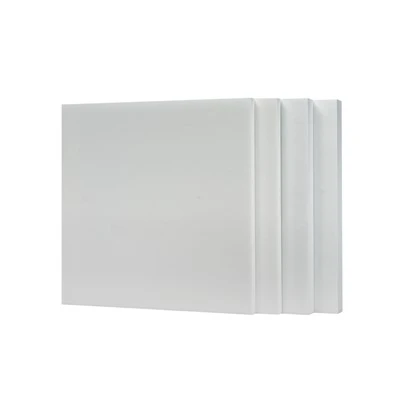
In conclusion, the fire – retardant performance of fire retardant insulation boards is affected by a multitude of factors, including the chemical composition of fire retardants, the physical structure of the board, the manufacturing process, environmental factors, and installation and maintenance. As a supplier, we are committed to producing high – quality fire retardant insulation boards that take all these factors into account. Our products are designed to meet the strictest safety standards and provide reliable fire protection for various applications.
Insulation Board If you are in need of high – performance fire retardant insulation boards for your construction or industrial projects, we invite you to contact us for procurement and further discussion. We have a team of experts who can provide you with detailed product information and technical support to ensure that you choose the most suitable products for your specific needs.
References
- Babrauskas, V. (2003). Ignition Handbook. Fire Science Publishers.
- Drysdale, D. D. (2011). An Introduction to Fire Dynamics. Wiley.
- Schartel, B., & Hull, T. R. (Eds.). (2007). Fire Retardancy of Polymers: New Strategies and Mechanisms. Royal Society of Chemistry.
Wenzhou Lejia Energy-saving Material Co., Ltd.
As one of the leading manufacturers and suppliers of fire retardant insulation board in China, we’re featured by quality products and good service. Please rest assured to buy advanced fire retardant insulation board for sale here from our factory. We also accept customized orders.
Address: Block A, No. 128 Changxiu Road, Lingkun Subdistrict, Wenzhou Marine Economy Development Demonstration Zone, Zhejiang Province, China.
E-mail: luckyfoam@vip.163.com
WebSite: https://www.lfxps.com/
