Hey there! I’m a supplier of waterproof coating, and today I’m gonna chat about how waterproof coating stacks up against other waterproofing methods. Waterproof Coating
1. The Basics of Waterproofing Methods
First off, let’s talk about the different ways we can keep water out. There are several common waterproofing methods out there, like membrane waterproofing, cementitious waterproofing, and of course, waterproof coating.
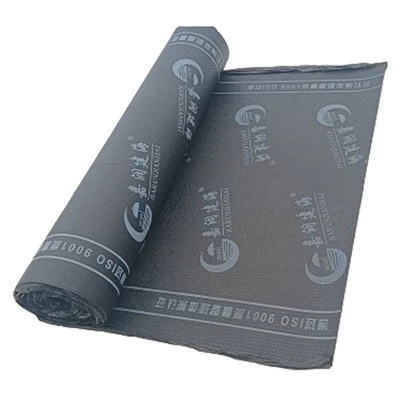
Membrane waterproofing involves laying down a sheet – like material over the surface. These membranes can be made of various materials such as bitumen, PVC, or TPO. They create a physical barrier that stops water from seeping through. For example, in large – scale construction projects like basements or rooftops, membrane waterproofing is often used. It provides a relatively thick and durable layer of protection.
Cementitious waterproofing, on the other hand, is a mixture of cement, sand, and special additives. You apply it like a plaster or mortar on the surface. It works well for areas where you need a hard – wearing waterproof layer, like in swimming pools or wet rooms. The cementitious mix fills in the pores of the substrate, preventing water penetration.
Now, my specialty, waterproof coating, is a liquid – based product that you can paint or spray onto a surface. It dries to form a thin but flexible and waterproof layer. There are different types of waterproof coatings, such as acrylic, polyurethane, and epoxy, each with its own unique properties.
2. Application Process
Let’s start with the application aspect. When it comes to membrane waterproofing, the installation process can be quite tricky. You need to have a perfectly smooth and clean surface to lay the membrane. Any wrinkles or improper seams can lead to water leakage. And it often requires professional installers because the membrane needs to be cut and fitted precisely. It’s also a time – consuming process, especially for large areas. You have to make sure the surface is dry and free of debris before you start, and then carefully roll out the membrane, ensuring there are no air bubbles trapped underneath.
Cementitious waterproofing is a bit easier in some ways. Since it’s applied like a plaster, it can be spread over uneven surfaces with relative ease. However, it still requires some skill to apply it evenly. You need to mix the cementitious compound accurately and apply it within a certain time frame before it sets. In addition, it may require multiple coats for better waterproofing, which means more time and labor.
Now, waterproof coating wins big time in the application department. You can apply it with a brush, roller, or spray gun, depending on the type of coating and the surface area. It’s much more flexible in terms of application. You don’t need a perfectly smooth surface; it can adhere to a variety of substrates, including concrete, wood, and metal. And it dries relatively quickly, so you can often apply multiple coats in a single day, which speeds up the whole waterproofing process.
3. Cost Comparison
Cost is always a big factor when choosing a waterproofing method. Membrane waterproofing can be quite expensive. The materials themselves, especially high – quality membranes, are costly. And then you have to add the cost of professional installation. For large projects, the labor cost can add up significantly.
Cementitious waterproofing is usually more affordable in terms of materials. The basic ingredients like cement and sand are relatively cheap. But again, when you factor in the labor cost for mixing and applying multiple coats, the overall cost can go up, especially for large – scale applications.
Waterproof coating offers a great balance between cost and performance. The materials are generally more affordable compared to membranes. And since the application process is simpler, you can save on labor costs. You can even do it yourself if you’re up for a DIY project, which further cuts down the expenses.
4. Durability and Long – Term Performance
In terms of durability, membrane waterproofing can last a long time if installed correctly. High – quality membranes can withstand harsh weather conditions, UV radiation, and mechanical stress. However, if there is any damage to the membrane, it can be difficult and expensive to repair. A small tear or puncture can lead to water leakage, and you may have to replace a large section of the membrane.
Cementitious waterproofing is also quite durable. It forms a hard and solid layer that can resist abrasion and water pressure. But over time, it may develop cracks due to thermal expansion and contraction. These cracks can allow water to seep through, and repairing them can be a hassle.
Waterproof coating provides good long – term performance as well. The flexible nature of the coating allows it to expand and contract with the substrate, reducing the risk of cracking. It can also be easily repaired. If you notice any damage, you can simply apply a new coat of the coating over the affected area. And with regular maintenance, a good waterproof coating can last for many years.
5. Flexibility and Adaptability
Membrane waterproofing is relatively rigid. Once it’s installed, it doesn’t have much flexibility. This can be a problem in areas where the substrate is likely to move, such as in earthquake – prone regions or on buildings with settling issues. The lack of flexibility can cause the membrane to crack or separate from the surface, leading to water penetration.
Cementitious waterproofing is also not very flexible. It’s a hard – set material, and any movement in the substrate can cause it to crack. This limits its use in areas where there is a high probability of movement.
Waterproof coating, on the other hand, is highly flexible. It can adapt to the movement of the substrate without cracking. This makes it ideal for a wide range of applications, including areas with structural movement. Whether it’s a building that settles over time or a surface that expands and contracts due to temperature changes, waterproof coating can keep the water out.
6. Environmental Impact
In today’s world, environmental impact is an important consideration. Membrane waterproofing materials, especially those made of certain plastics, can have a negative impact on the environment. They are often non – biodegradable and can take a long time to break down in landfills. The production process of some membranes also involves the use of chemicals that can be harmful to the environment.
Cementitious waterproofing has its own environmental issues. The production of cement is a major contributor to greenhouse gas emissions. And the disposal of excess cementitious material can also be a problem.
Many waterproof coatings are now being developed to be more environmentally friendly. There are water – based coatings that have low VOC (Volatile Organic Compound) emissions, which are less harmful to the environment and human health. They are also easier to clean up and dispose of compared to other waterproofing materials.
7. Conclusion and Call to Action
After comparing waterproof coating with other waterproofing methods, it’s clear that waterproof coating has a lot of advantages. It’s easy to apply, cost – effective, durable, flexible, and more environmentally friendly in many cases.
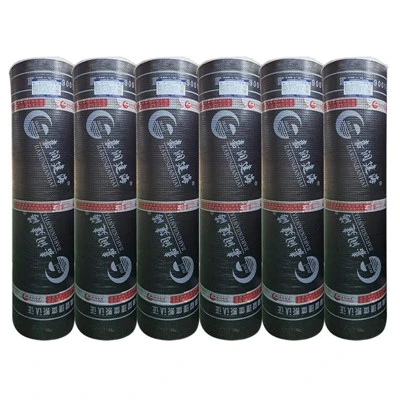
If you’re in the market for a waterproofing solution, I highly recommend considering waterproof coating. Whether you’re working on a small DIY project or a large – scale construction job, our waterproof coatings can meet your needs. We offer a wide range of products with different properties to suit various applications and environments.
Waterproof Membrane If you’re interested in learning more about our waterproof coatings or want to discuss your specific waterproofing requirements, don’t hesitate to reach out. We’re here to help you find the best solution for your waterproofing needs. Just start a conversation with us and let’s work together to keep your projects dry and protected.
References
- "Waterproofing Building Structures" – A general construction – related book on different waterproofing techniques.
- "Handbook of Waterproofing Materials" – A technical resource that details the properties and applications of various waterproofing materials.
Dingzhou Jiarun Jianhai Waterproof Materials Co., Ltd.
As one of the most professional waterproof coating manufacturers and suppliers in China, we offer a wide range of products with superior quality. Please feel free to wholesale customized waterproof coating made in China here from our factory. Also, pricelist is available.
Address: Shijiatuan, Mingyuedian Town, Dingzhou City, Baoding City, Hebei Province
E-mail: Jrjh16888@163.com
WebSite: https://www.jrjhwp.com/
