When it comes to powering your home during outages or in off – grid situations, choosing the right generator is crucial. As a household diesel generator supplier, I often get asked the question: "Is a household diesel generator more efficient than a gasoline generator?" In this blog, I’ll delve into the details to help you understand the differences and make an informed decision. Household Diesel Generator
Efficiency in Fuel Consumption
One of the primary factors to consider when comparing diesel and gasoline generators is fuel efficiency. Diesel fuel has a higher energy density than gasoline. On average, diesel contains about 10 – 15% more energy per gallon than gasoline. This means that for the same amount of fuel, a diesel generator can produce more power.
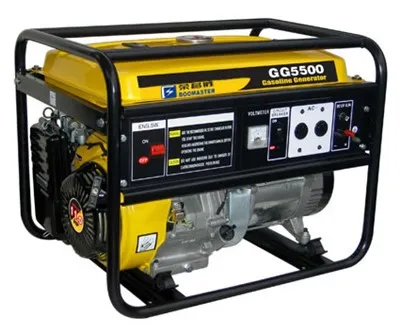
Let’s take a real – world example. Suppose you have a 5 – kilowatt gasoline generator and a 5 – kilowatt diesel generator. The gasoline generator might consume around 0.75 to 1 gallon of fuel per hour under a full load. In contrast, the diesel generator would typically consume about 0.5 to 0.7 gallons per hour under the same load. Over a long – term use, say a 24 – hour power outage, the diesel generator would use significantly less fuel, resulting in cost savings.
The reason for this difference lies in the combustion process. Diesel engines operate on a compression – ignition principle. The air in the cylinders is compressed to a high pressure, which raises its temperature. When diesel fuel is injected into the hot, compressed air, it ignites spontaneously. This process is more efficient than the spark – ignition process used in gasoline engines, where a spark plug is required to ignite the air – fuel mixture.
Power Output and Performance
Diesel generators are known for their high torque output. Torque is the rotational force that an engine can produce, and it is crucial for starting heavy loads. In a household setting, this means that a diesel generator can more easily start appliances with high starting currents, such as air conditioners, refrigerators, and power tools.
Gasoline generators, on the other hand, may struggle to start these heavy – load appliances. They often require a larger generator size to handle the same load, which can increase the cost. For example, a 5 – kilowatt diesel generator might be able to start a 3 – ton air conditioner without any issues, while a gasoline generator might need to be rated at 7 – 8 kilowatts to achieve the same result.
In terms of continuous power output, diesel generators also have an edge. They can run at a more consistent power level over long periods. Gasoline engines may experience a drop in power as the fuel level decreases or as the engine heats up. Diesel engines are more stable and can maintain a steady power output, making them ideal for extended use during power outages.
Durability and Maintenance
Diesel generators are generally more durable than gasoline generators. Diesel engines have fewer moving parts compared to gasoline engines, which means there are fewer components that can wear out or break. The compression – ignition design also puts less stress on the engine, as there is no need for a complex ignition system.
The lifespan of a diesel generator can be significantly longer than that of a gasoline generator. A well – maintained diesel generator can last 10,000 to 15,000 hours or more, while a gasoline generator may only last 5,000 to 8,000 hours. This long – term durability can result in lower overall costs, as you won’t need to replace the generator as frequently.
In terms of maintenance, diesel generators do require some specific care. Diesel fuel can leave deposits in the fuel system, so regular fuel filter changes are essential. However, compared to the frequent tune – ups and spark plug replacements required for gasoline generators, the maintenance of a diesel generator is relatively straightforward.
Environmental Considerations
In the past, diesel generators had a reputation for being more polluting than gasoline generators. However, modern diesel engines have made significant improvements in emissions control. Diesel engines now use advanced technologies such as diesel particulate filters (DPF) and selective catalytic reduction (SCR) to reduce harmful emissions.
While gasoline generators produce fewer particulate emissions, they emit higher levels of carbon monoxide and hydrocarbons. Diesel generators, on the other hand, produce less carbon monoxide and hydrocarbons but more nitrogen oxides (NOx). Overall, the environmental impact of both types of generators depends on the specific model and its emissions control technology.
Cost Analysis
When it comes to the initial purchase price, gasoline generators are generally cheaper than diesel generators. However, as we’ve discussed, diesel generators offer better fuel efficiency, longer lifespan, and lower maintenance costs over the long term.
Let’s assume you purchase a 5 – kilowatt gasoline generator for $1,000 and a 5 – kilowatt diesel generator for $1,500. Over a 10 – year period, considering fuel costs, maintenance costs, and replacement costs, the diesel generator may end up being more cost – effective. The savings in fuel and maintenance can offset the higher initial purchase price.
Noise Level
Noise is an important consideration, especially for household use. Gasoline generators tend to be noisier than diesel generators. Diesel engines have a lower – pitched sound, which is often less annoying than the high – pitched whine of a gasoline engine.
Modern diesel generators are also designed with noise – reduction features such as sound – insulated enclosures. This makes them more suitable for use in residential areas, where noise can be a concern.
Conclusion
In conclusion, a household diesel generator is generally more efficient than a gasoline generator in terms of fuel consumption, power output, durability, and long – term cost. While gasoline generators may have a lower initial cost, the overall benefits of a diesel generator make it a better choice for most households.
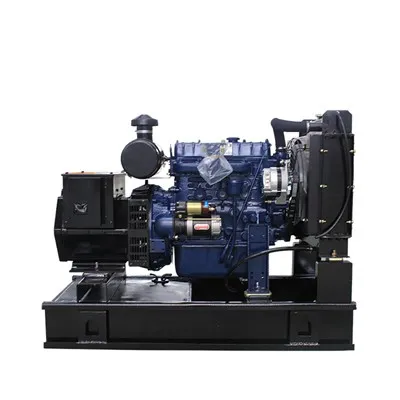
If you’re in the market for a reliable and efficient power solution for your home, I encourage you to consider a household diesel generator. Our company offers a wide range of diesel generators to meet your specific needs. Whether you need a small generator for occasional use or a large one for extended power outages, we have the right product for you.
Portable Diesel Generator If you’re interested in learning more about our household diesel generators or would like to discuss your power requirements, please feel free to reach out. We’re here to help you make the best decision for your home.
References
- "Diesel Engines: Principles, Performance, and Emissions" by John B. Heywood
- "Gasoline Engine Fundamentals" by Richard Stone
- Industry reports on generator efficiency and performance from various manufacturers.
Jiangsu Kaichen Electric Power Equipment Co., Ltd.
We are one of the most professional household diesel generator manufacturers and suppliers in China, specialized in providing high quality diesel generators with reasonable price. We warmly welcome you to buy cheap household diesel generator from our factory. Contact us for pricelist and quotation.
Address: Dinghuo Industrial Park, Jiangdu District, Yangzhou, Jiangsu Province
E-mail: 19962469616@163.com
WebSite: https://www.jskaichen-power.com/
